

How to Maintain Marble, Travertine & Natural Stone in Your DMV Home

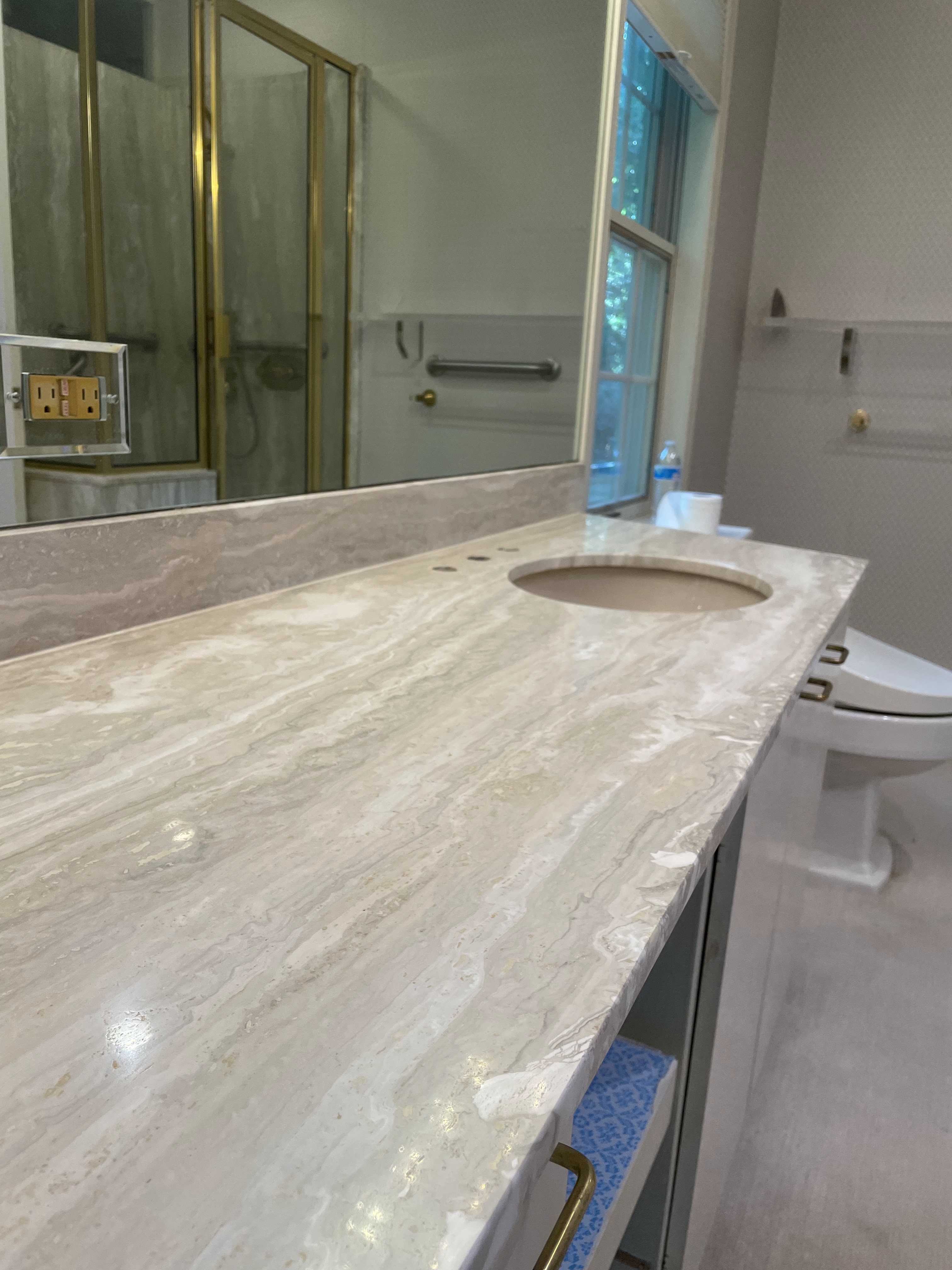
Natural stone is one of the most beautiful investments you can make in a home — but it requires a level of care that most people aren't taught when they buy it. At Crystal Service, we see the results of neglect every day: marble etched by common household cleaners, travertine pitted from years of moisture, limestone dulled from improper mopping. The good news? Everything we see is fixable. The better news? Most of it is preventable.
The biggest enemy of natural stone in a DMV home
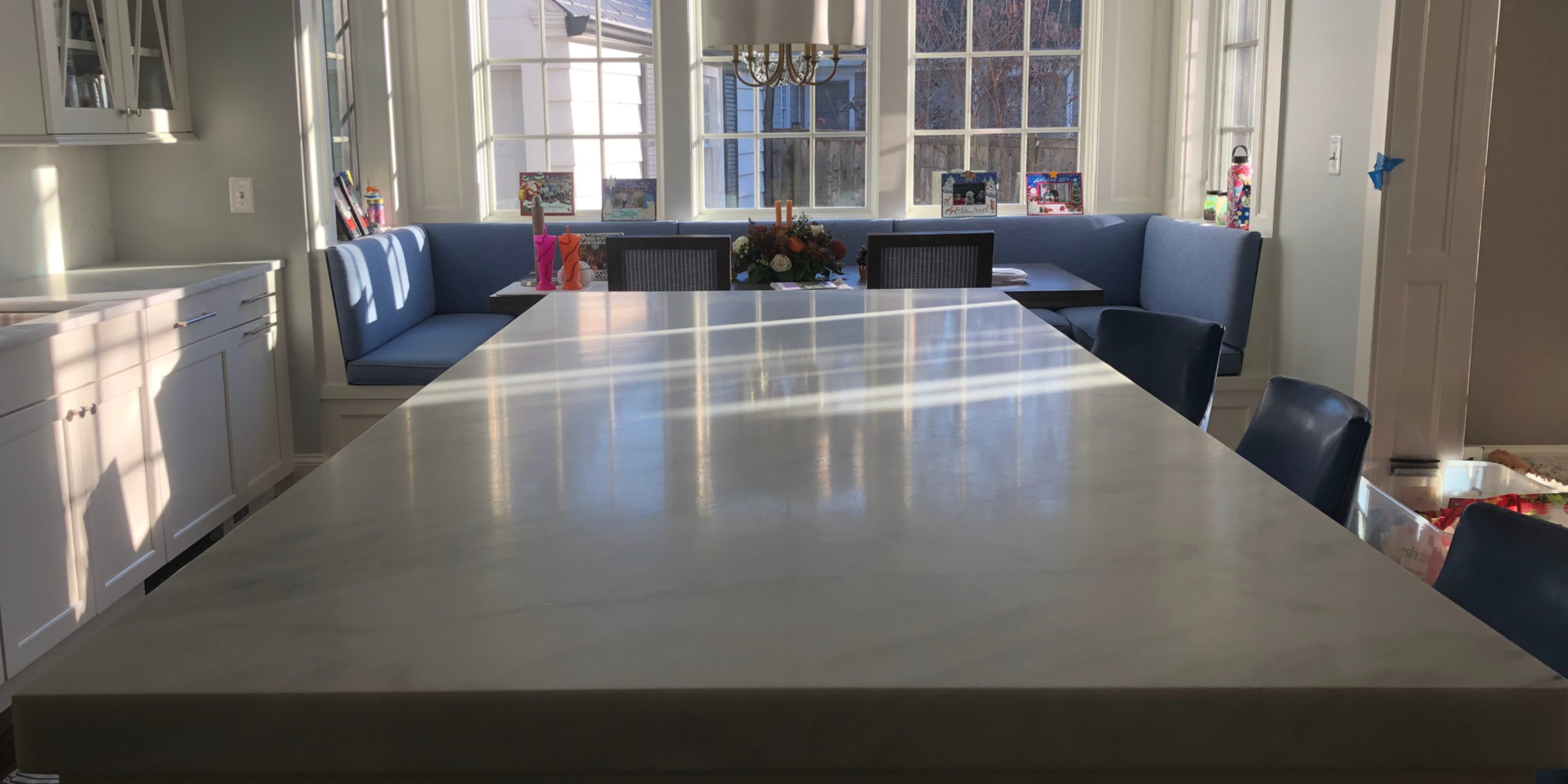
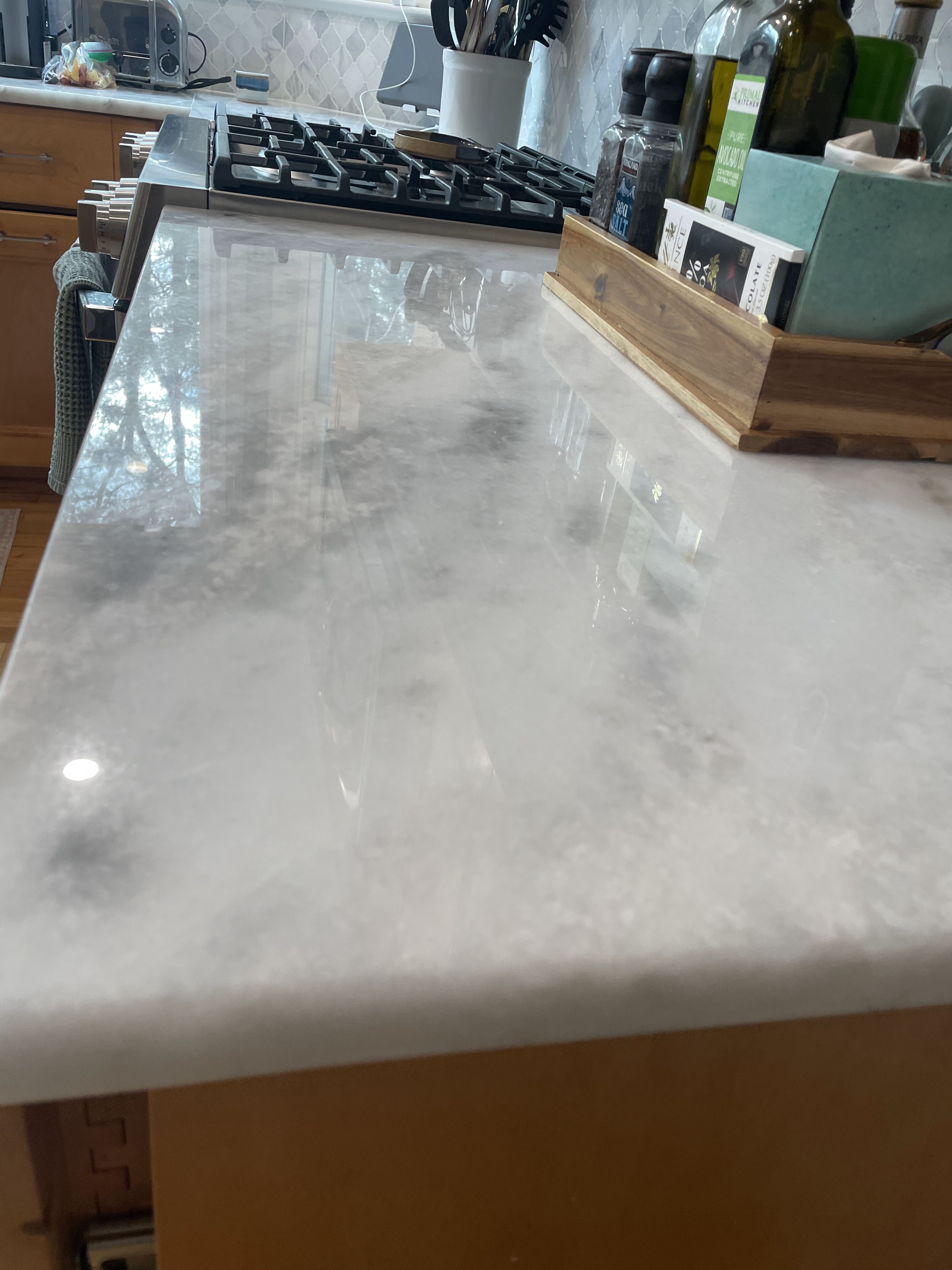
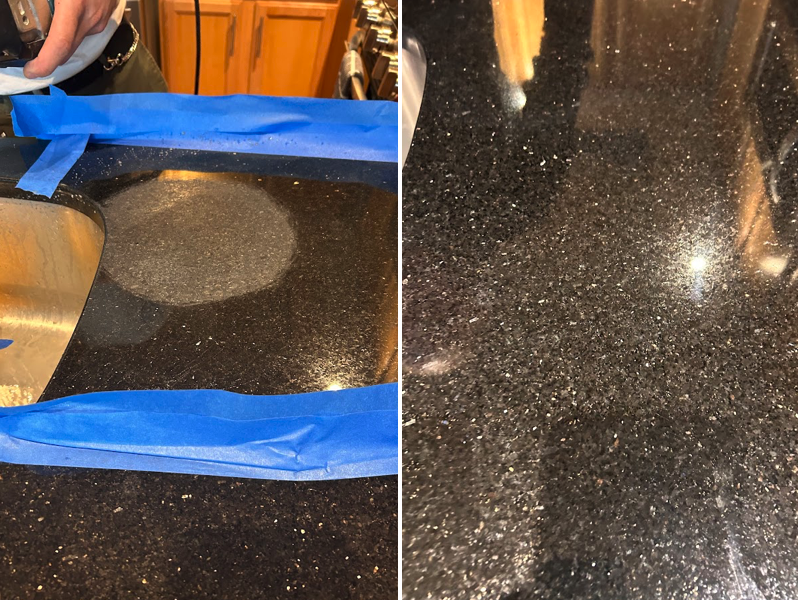
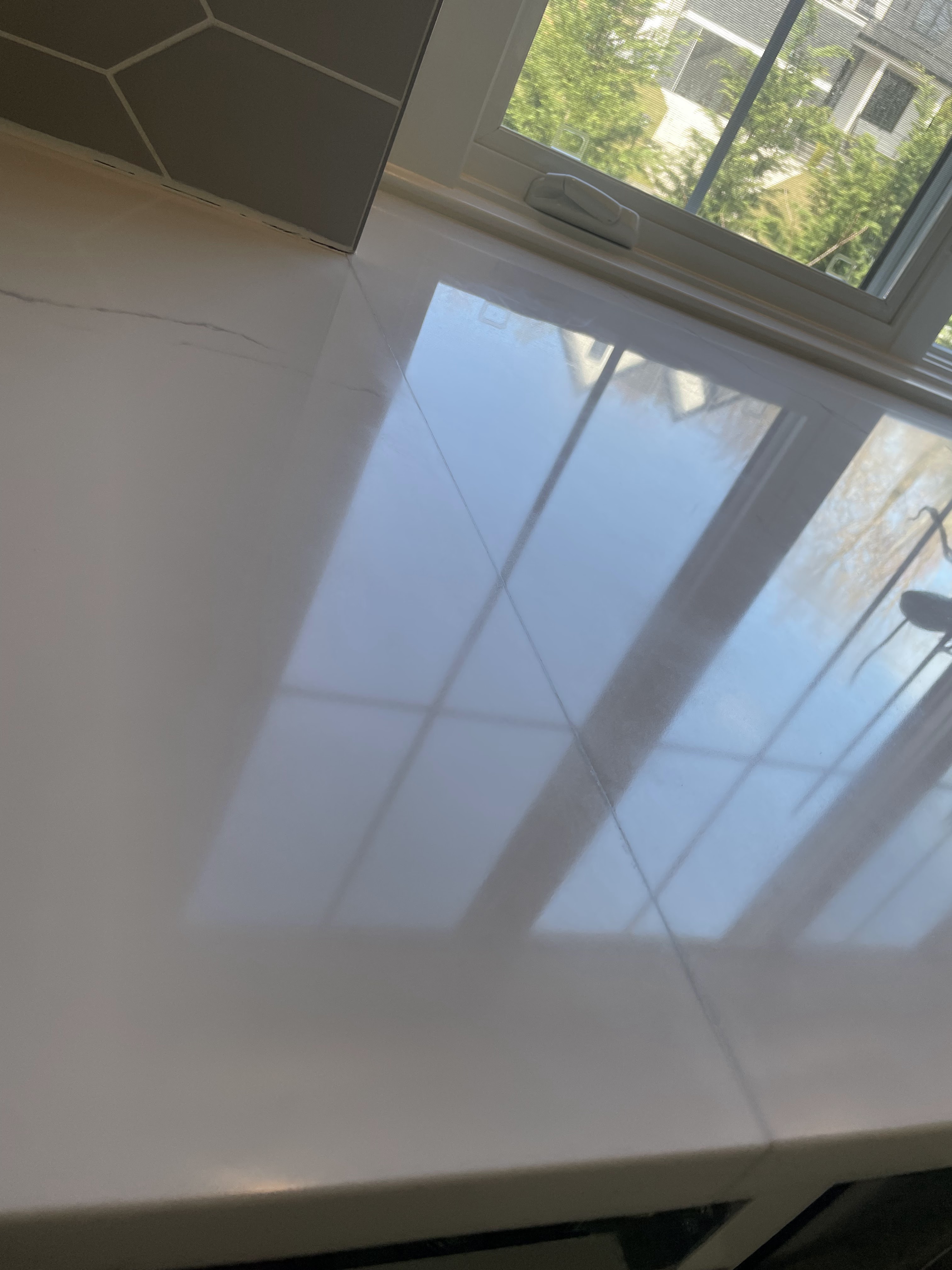
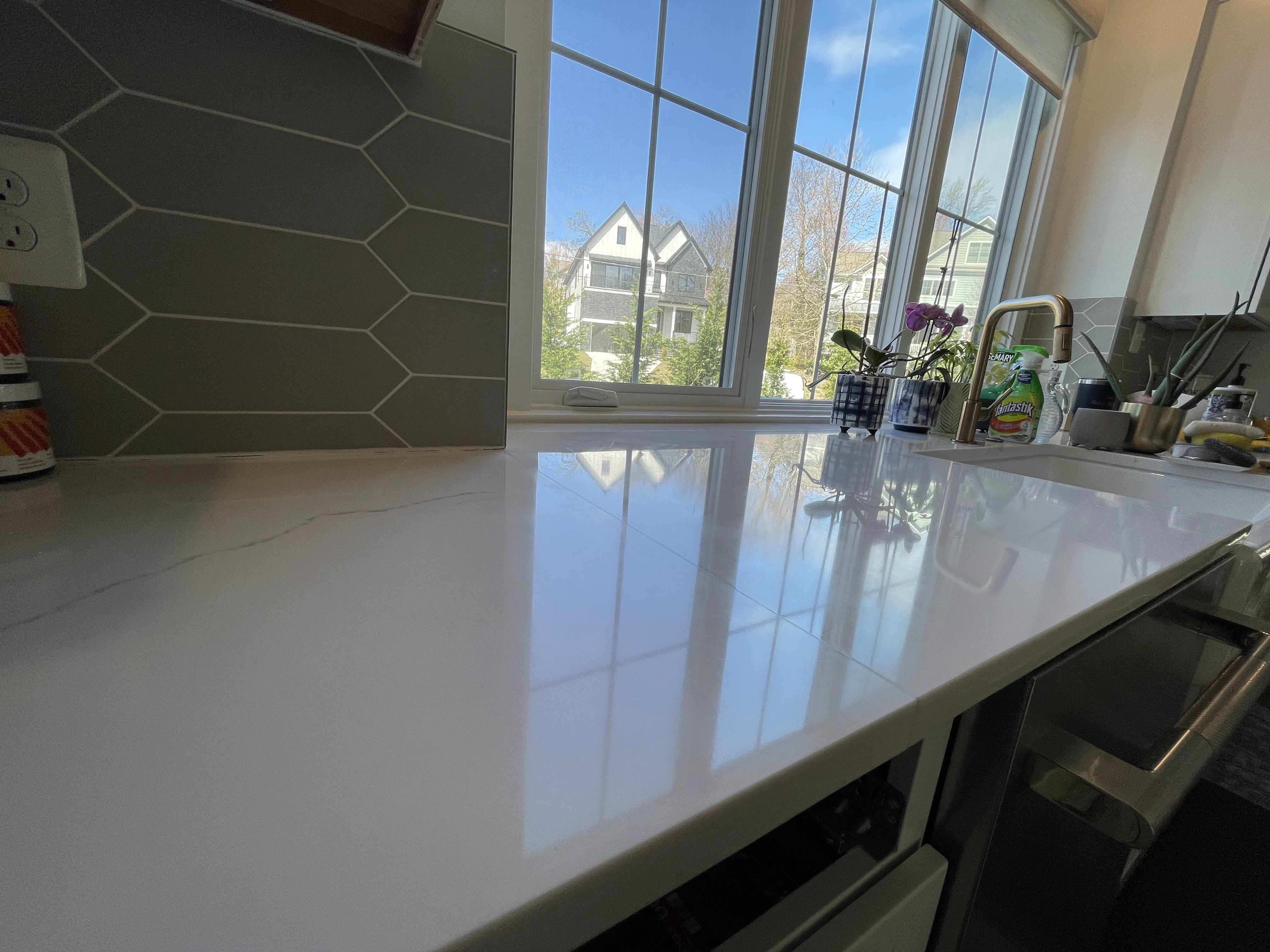
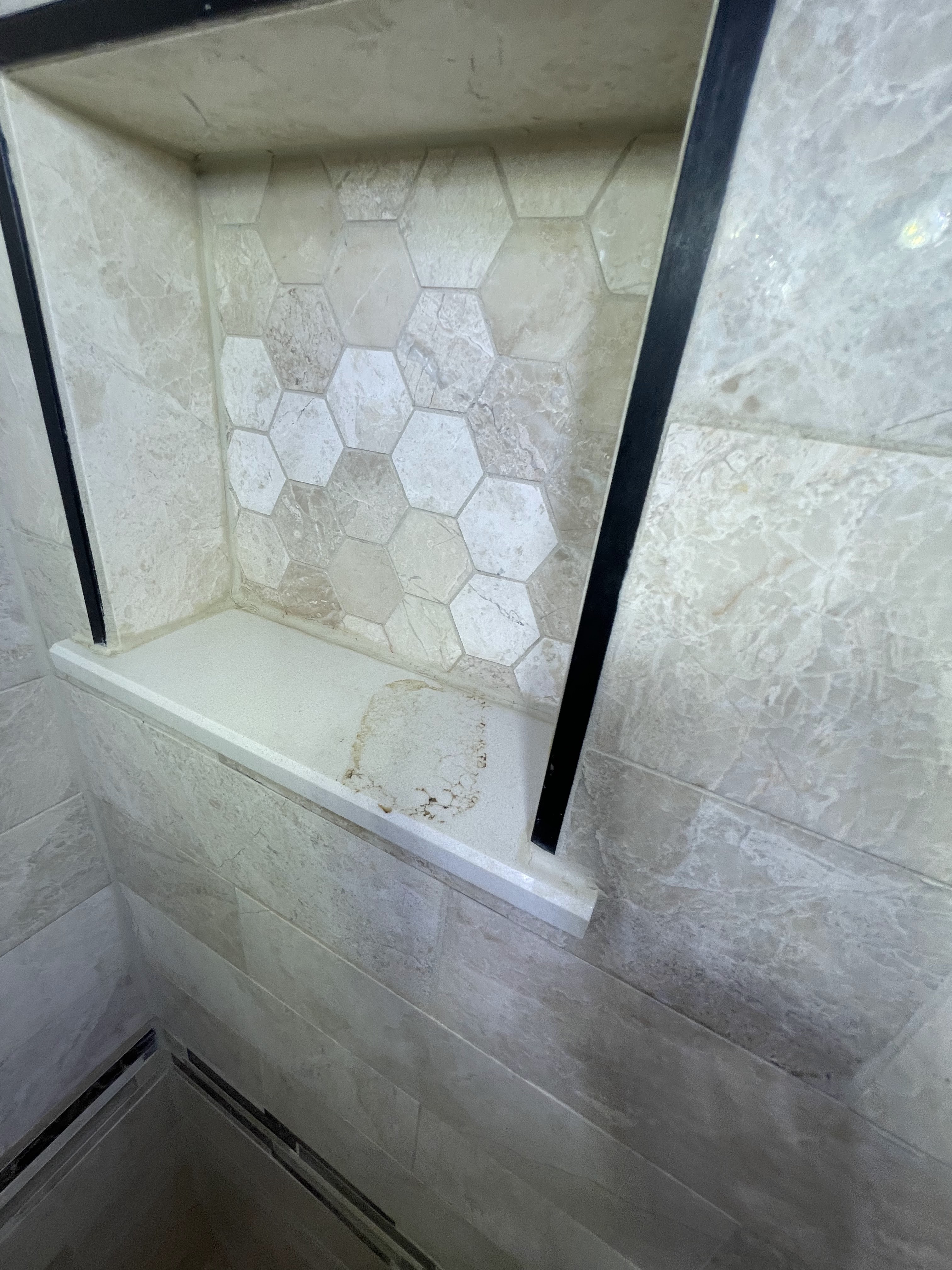
It's not foot traffic. It's not age. It's acid. Marble and travertine are calcium-based stones, which means they react chemically with anything acidic — wine, coffee, lemon juice, vinegar-based cleaners, and even some tile cleaners. When acid touches polished marble, it etches the surface instantly, leaving a dull, hazy mark that looks like a water stain but doesn't wipe away. This is the number one thing we fix in homes across Bethesda, McLean, Georgetown, and DC.
The second enemy is abrasive cleaning. Standard household mops and cleaning pads contain grit that microscopically scratches stone over time. Combine that with the wrong cleaner and you're slowly destroying a finish that takes years of professional work to restore.
What you should actually be using
For daily cleaning, use a pH-neutral stone cleaner diluted in water and a soft microfiber mop. That's it. No vinegar. No bleach. No all-purpose sprays. No steam mops on marble. If you're not sure whether a product is safe, it probably isn't — call us before you use it.
For spills, blot immediately — never wipe, which spreads the liquid and pushes it into pores. For cooking areas with marble countertops, keep a coaster or trivet between citrus, wine, and the stone at all times.
Sealing: what it does and what it doesn't do
Sealing your stone is one of the best things you can do for it. A quality penetrating sealer soaks into the stone's pores and creates a barrier against moisture, oil, and staining agents. It does not make the stone acid-proof — nothing does — but it buys you significantly more time to clean up a spill before it penetrates.
How often you need to reseal depends on the stone type, finish, and traffic. Honed marble in a high-use kitchen may need resealing every 6–12 months. A polished marble floor in a formal living room may go 2–3 years. Crystal Service reseals every surface we restore as part of our standard process.
When to call a professional
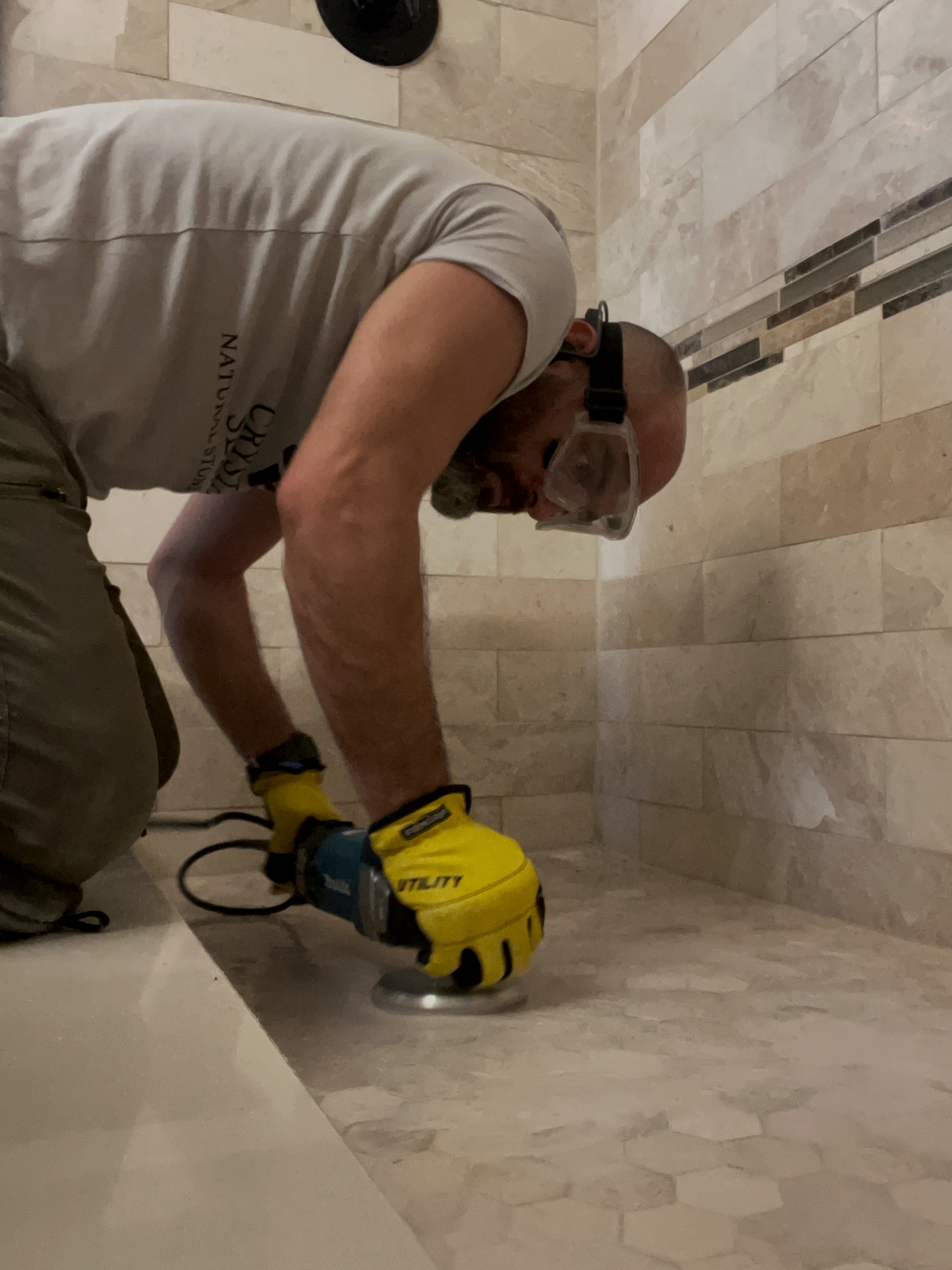
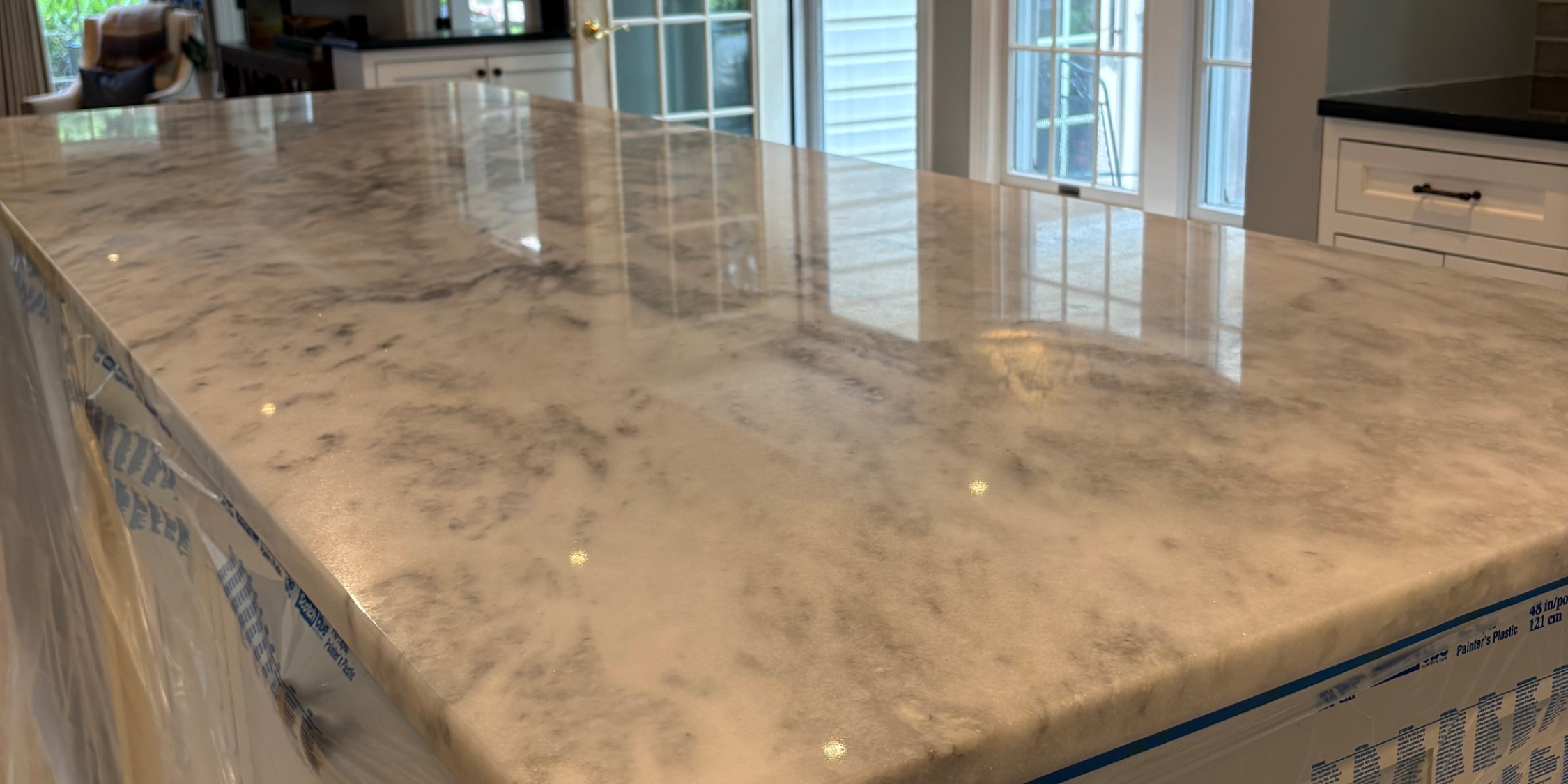
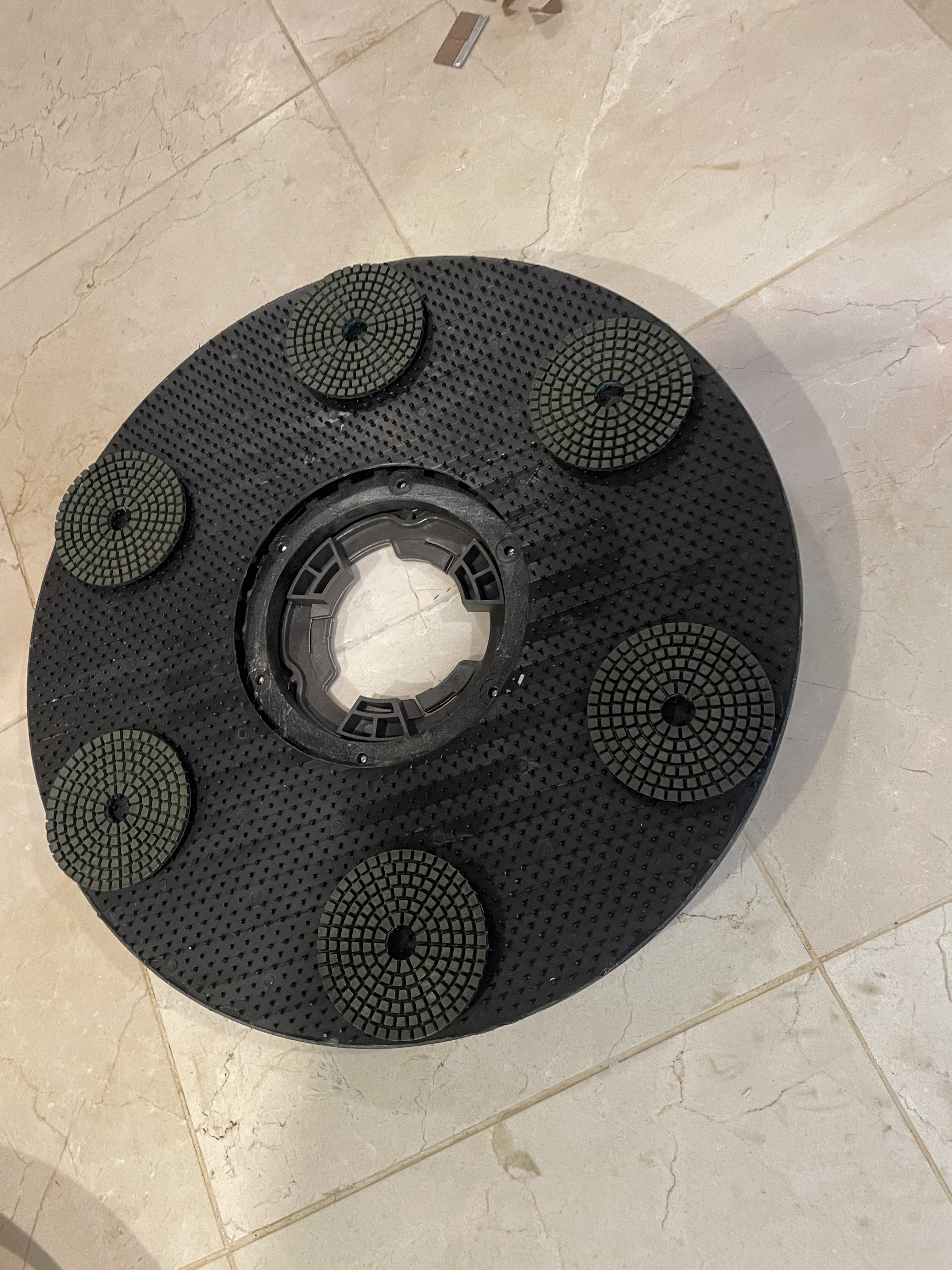
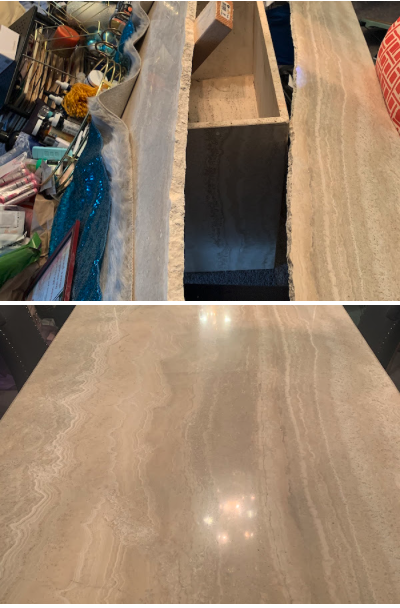
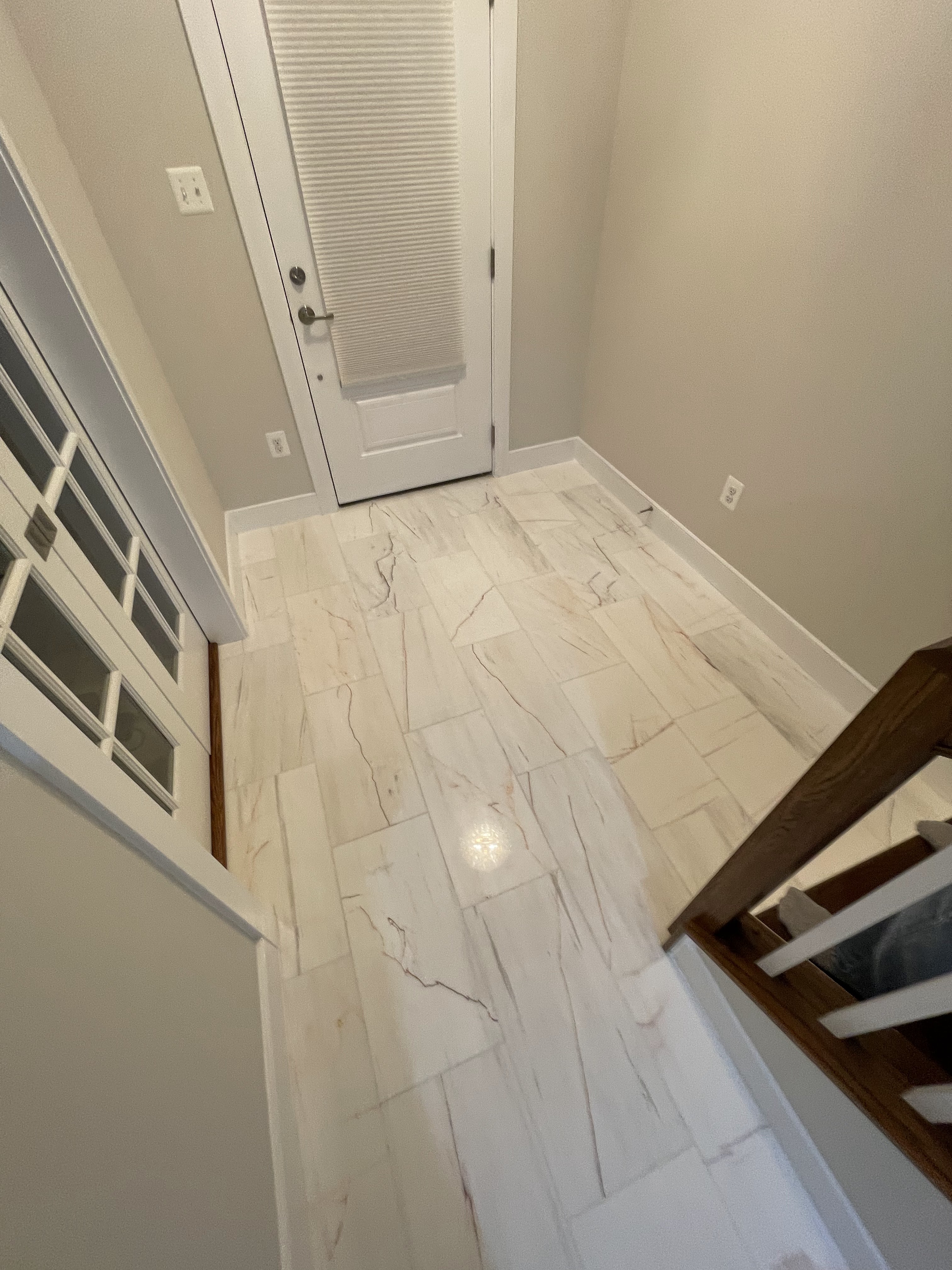
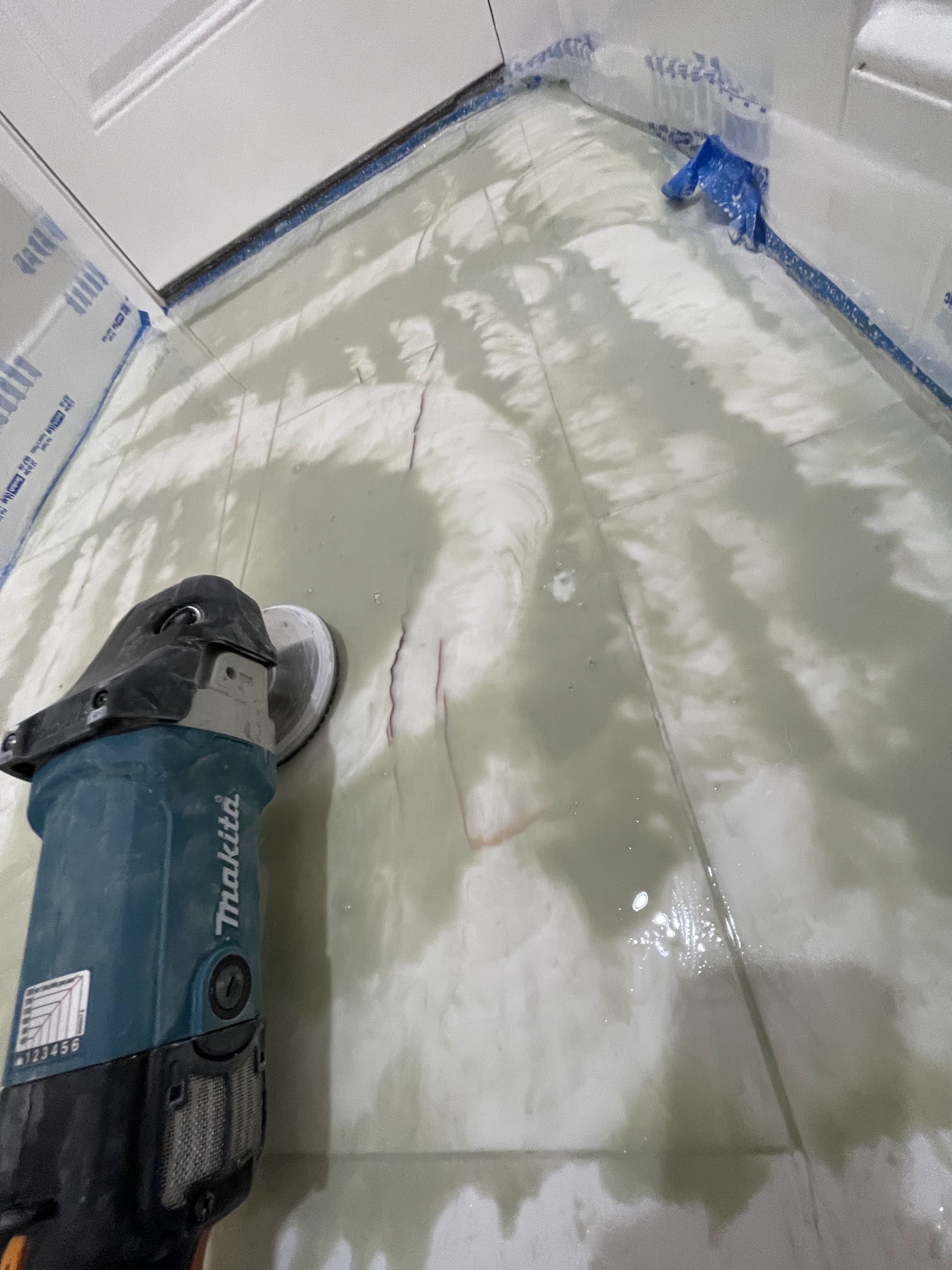
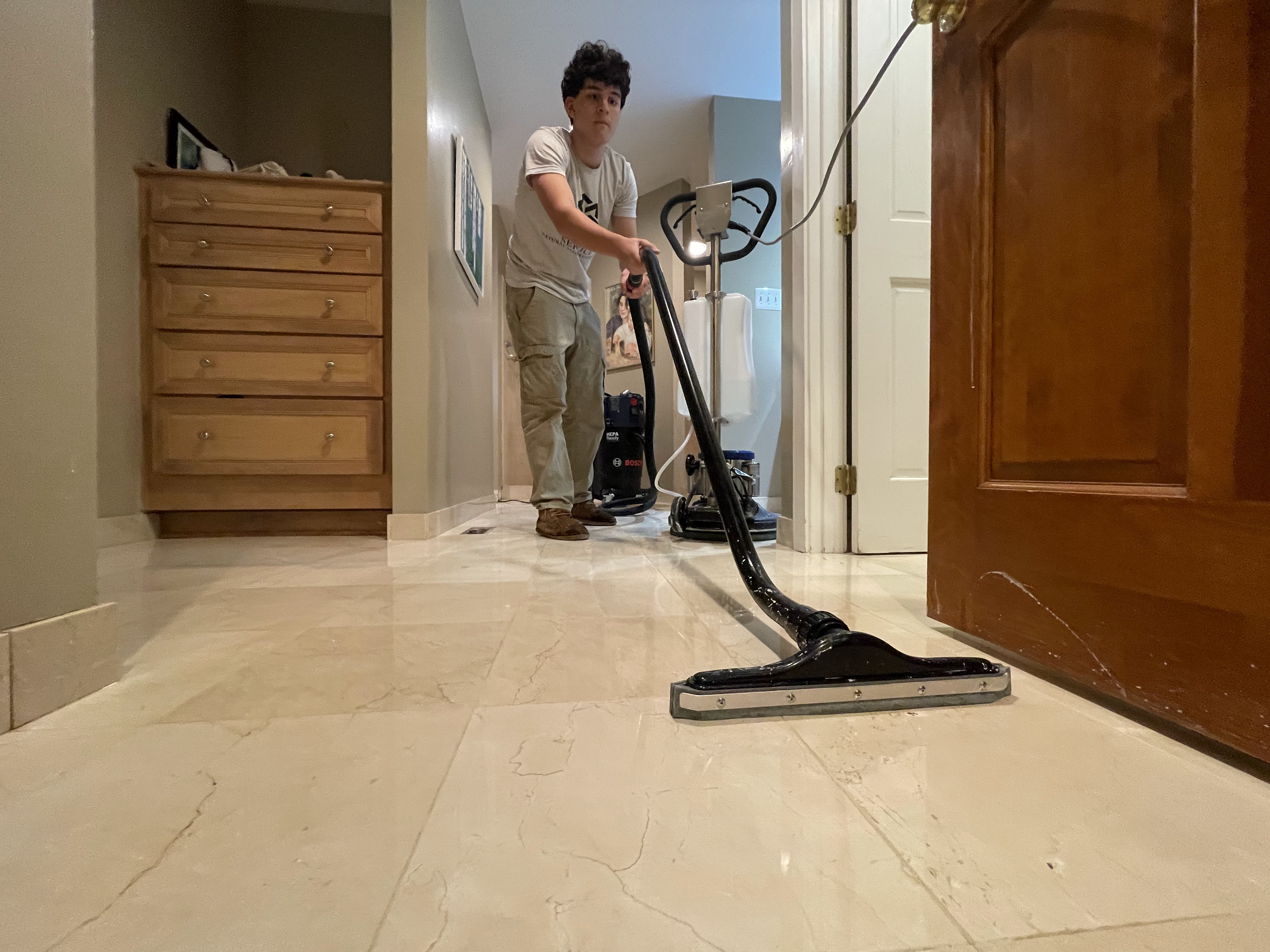
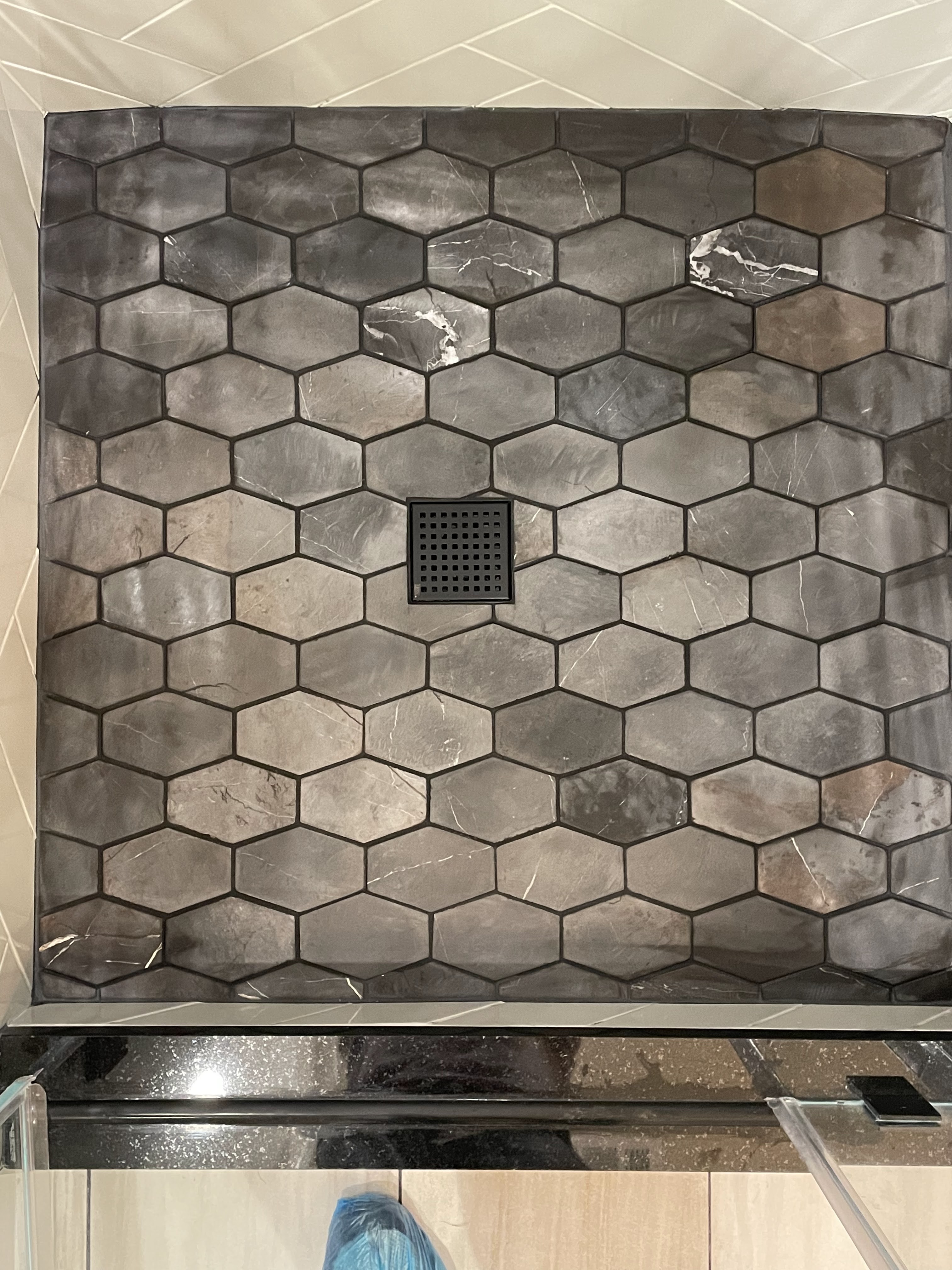
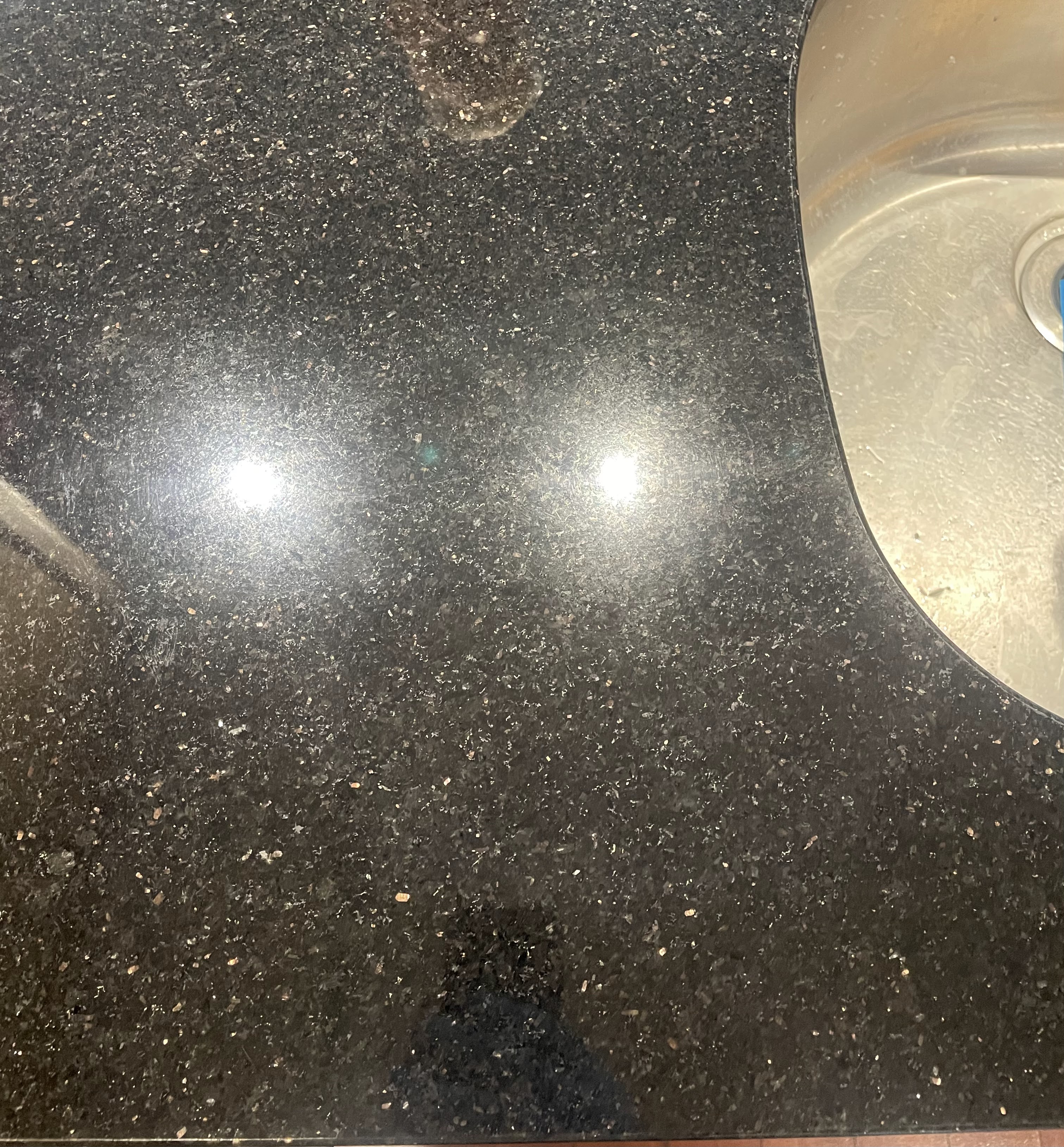
If you see etch marks, dull patches, deep scratches, cracked tiles, or grout that's darker than it should be — call us. These are not things that get better with more mopping. They require professional diamond-abrasive honing and polishing to correct. The longer you wait, the deeper the damage typically goes.
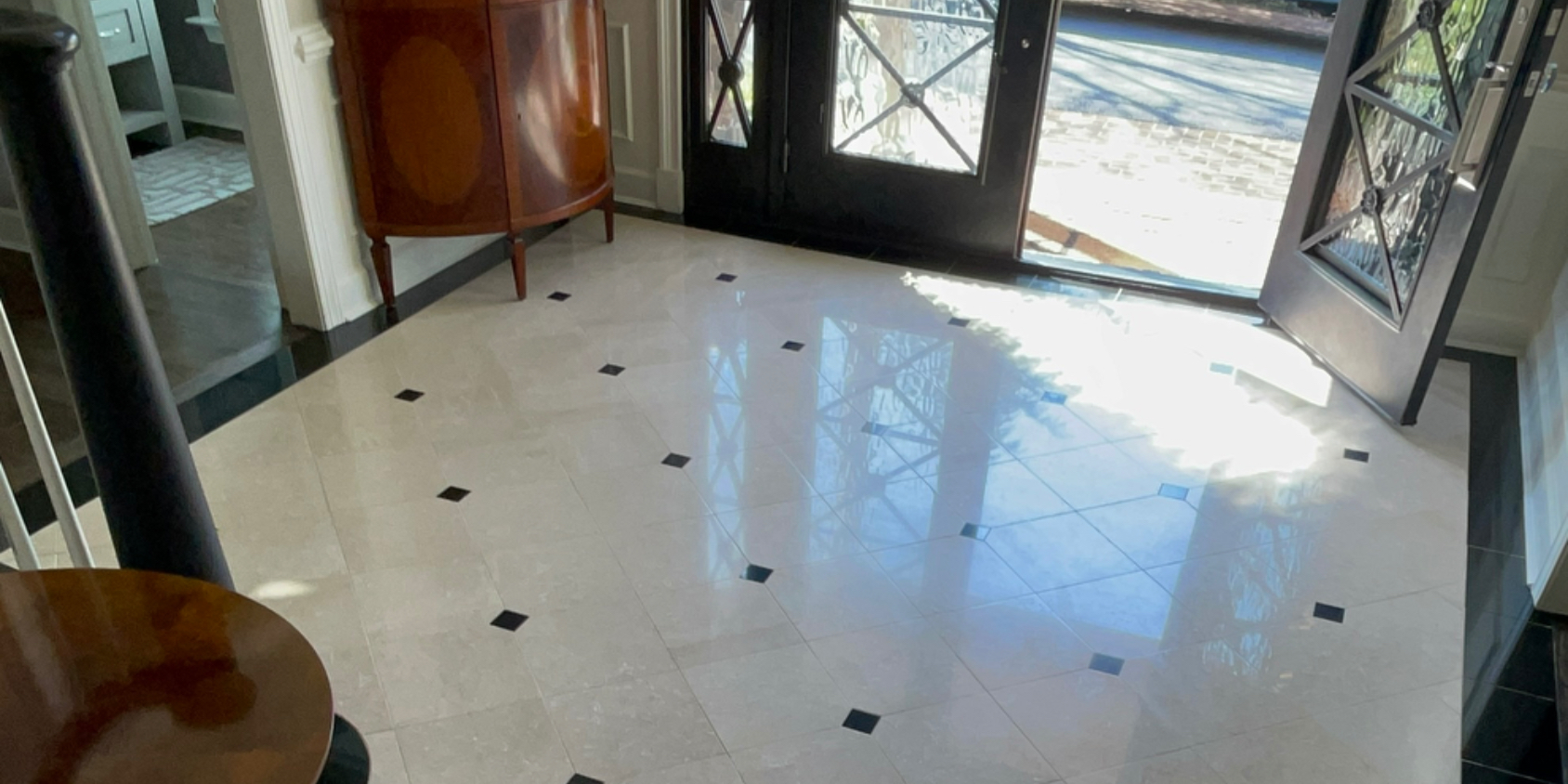
Our maintenance plans are specifically designed for DMV homeowners who want to stay ahead of this. Rather than waiting until your floor looks bad and needs a full restoration, we come on a regular schedule — quarterly or every six weeks — to maintain the finish, catch problems early, and keep your stone looking the way it did when it was first installed. Reach us at 202-413-7979.


Comments