

Marble Polishing vs. Honing: What's the Difference and Which Does Your Floor Need?

If you've ever called a stone restoration company and been told your floor needs "polishing," and then gotten a second opinion that said it needs "honing," you may have wondered whether both companies were looking at the same floor — or whether one of them actually knew what they were talking about. At Crystal Service, we explain exactly what we're doing and why before we touch anything. Here's the plain-language breakdown of polishing versus honing, and how we determine which your stone needs.
What honing is
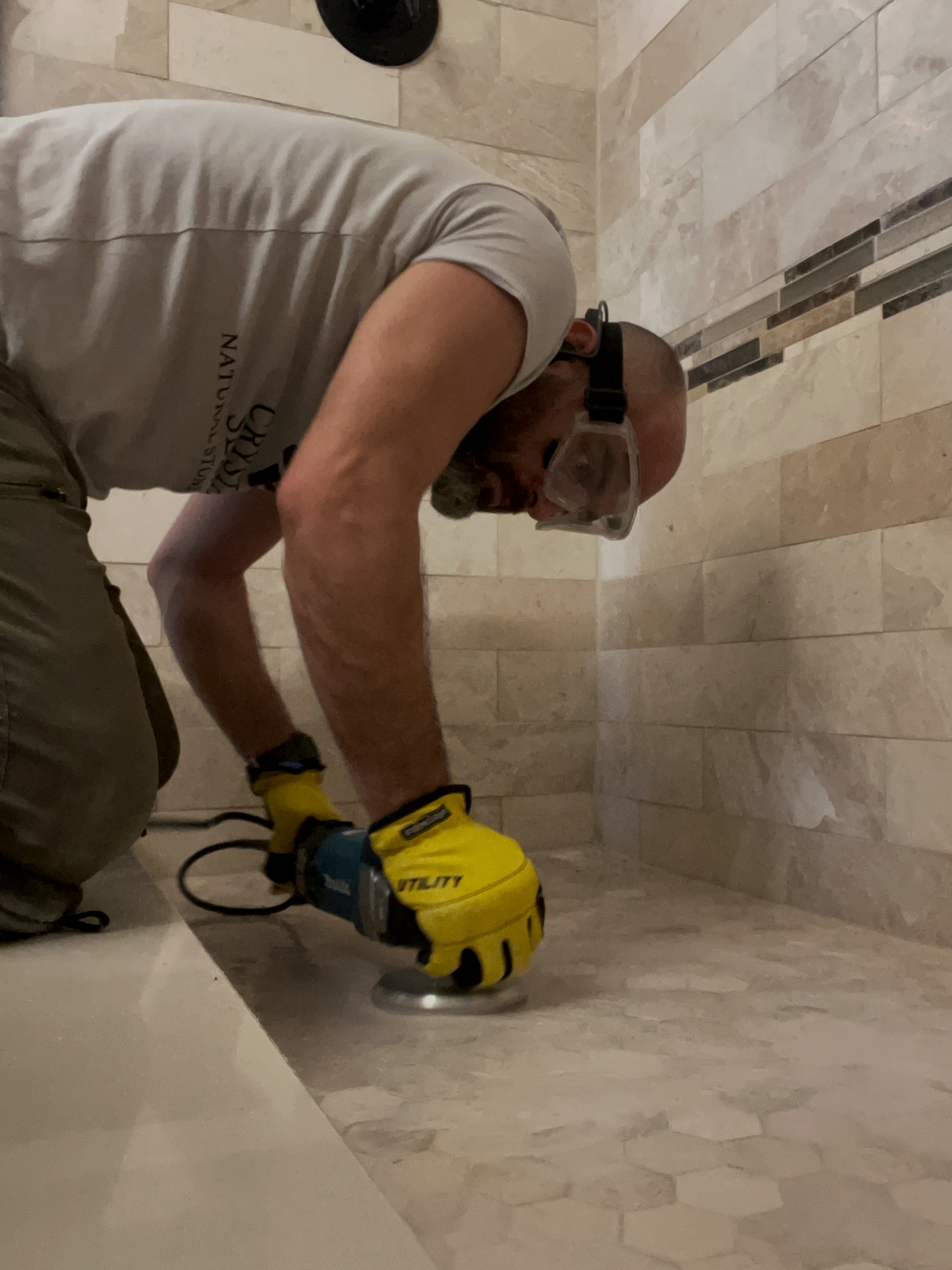
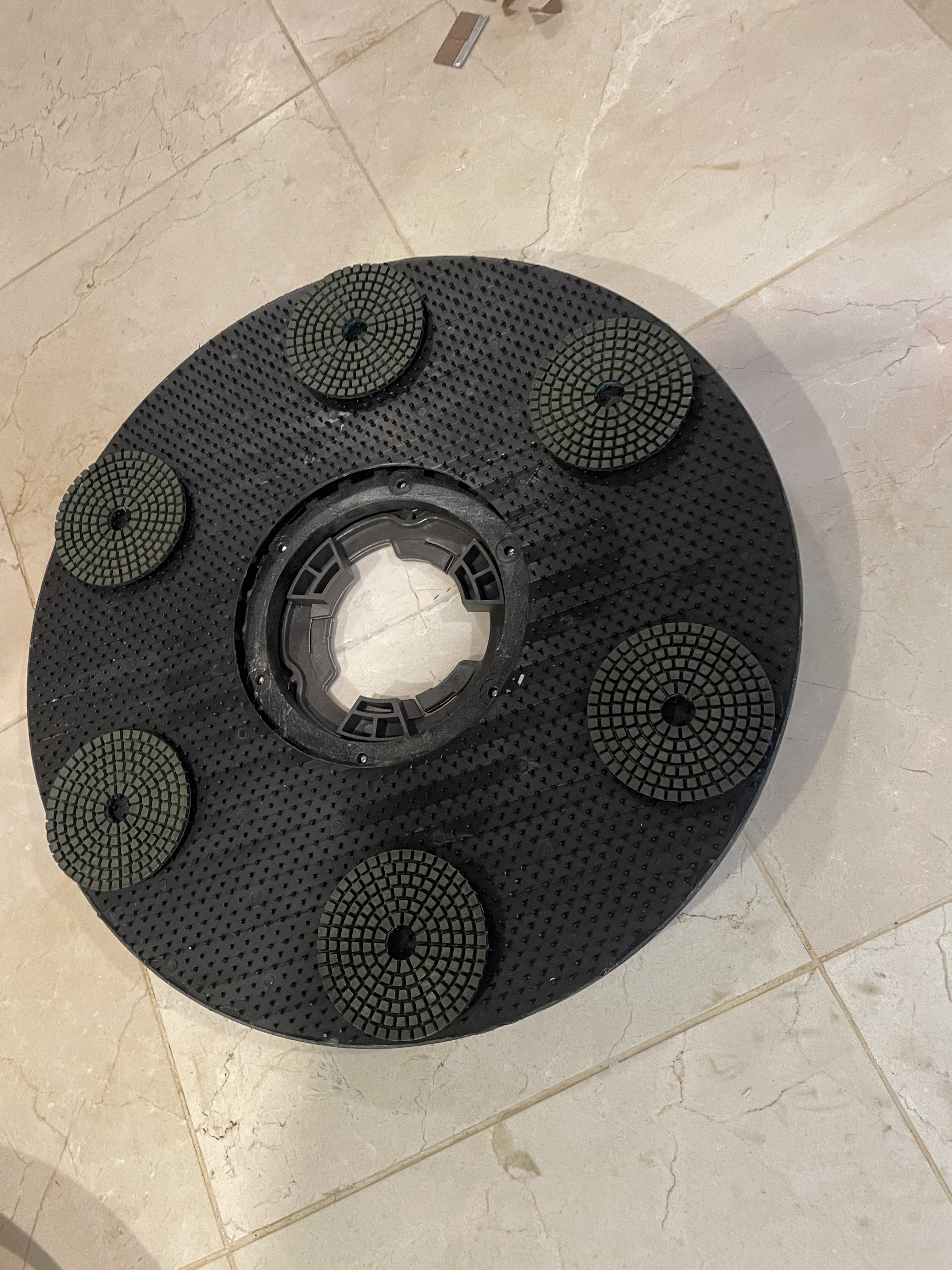
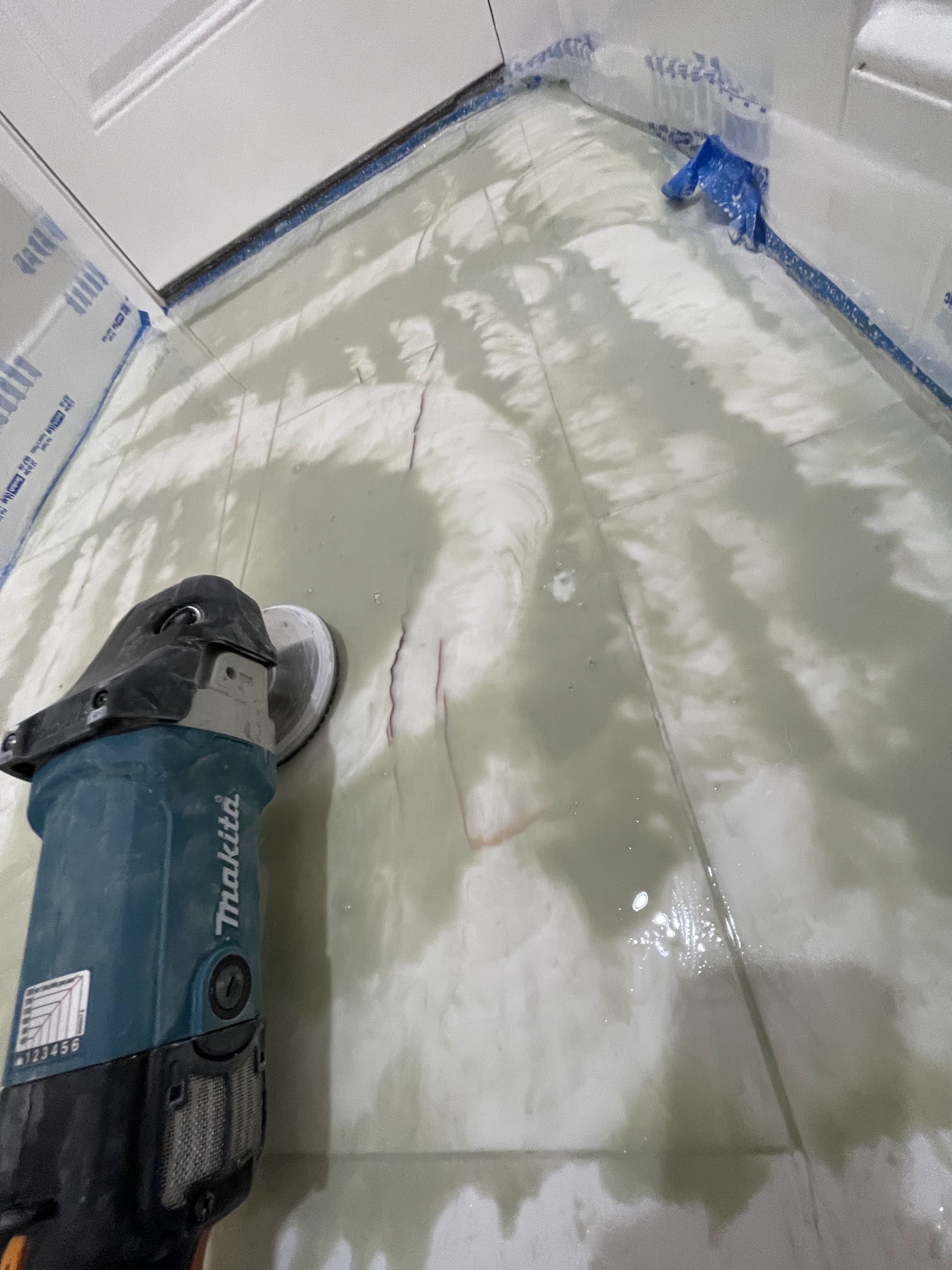
Honing is an abrasive process that uses diamond pads — typically in grits ranging from 50 to 800 — to grind down the surface of the stone to a level below the existing damage. Think of it like sanding wood: you're removing a thin layer of the surface to eliminate scratches, etch marks, and wear that exist in the stone above that level.
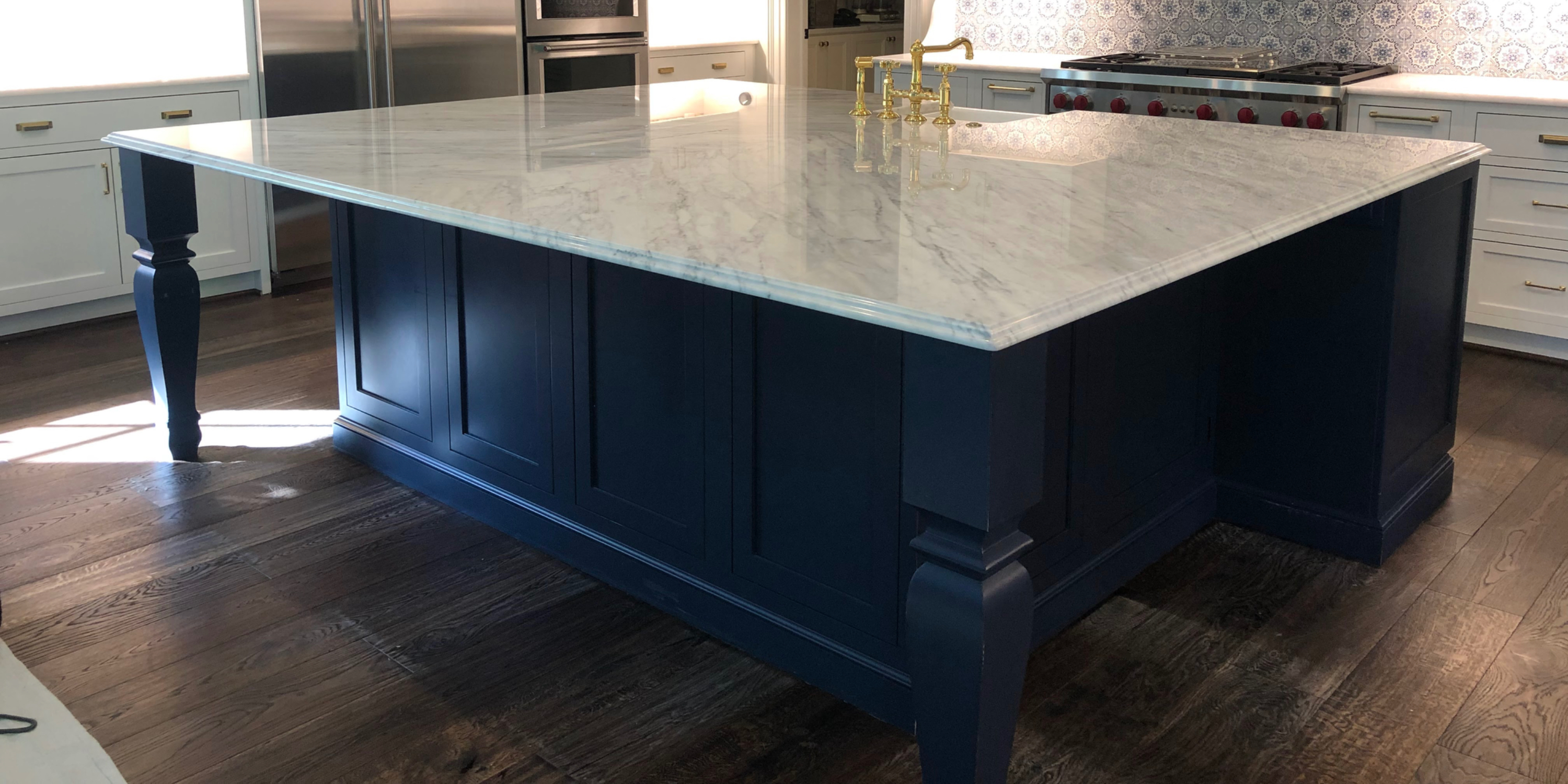
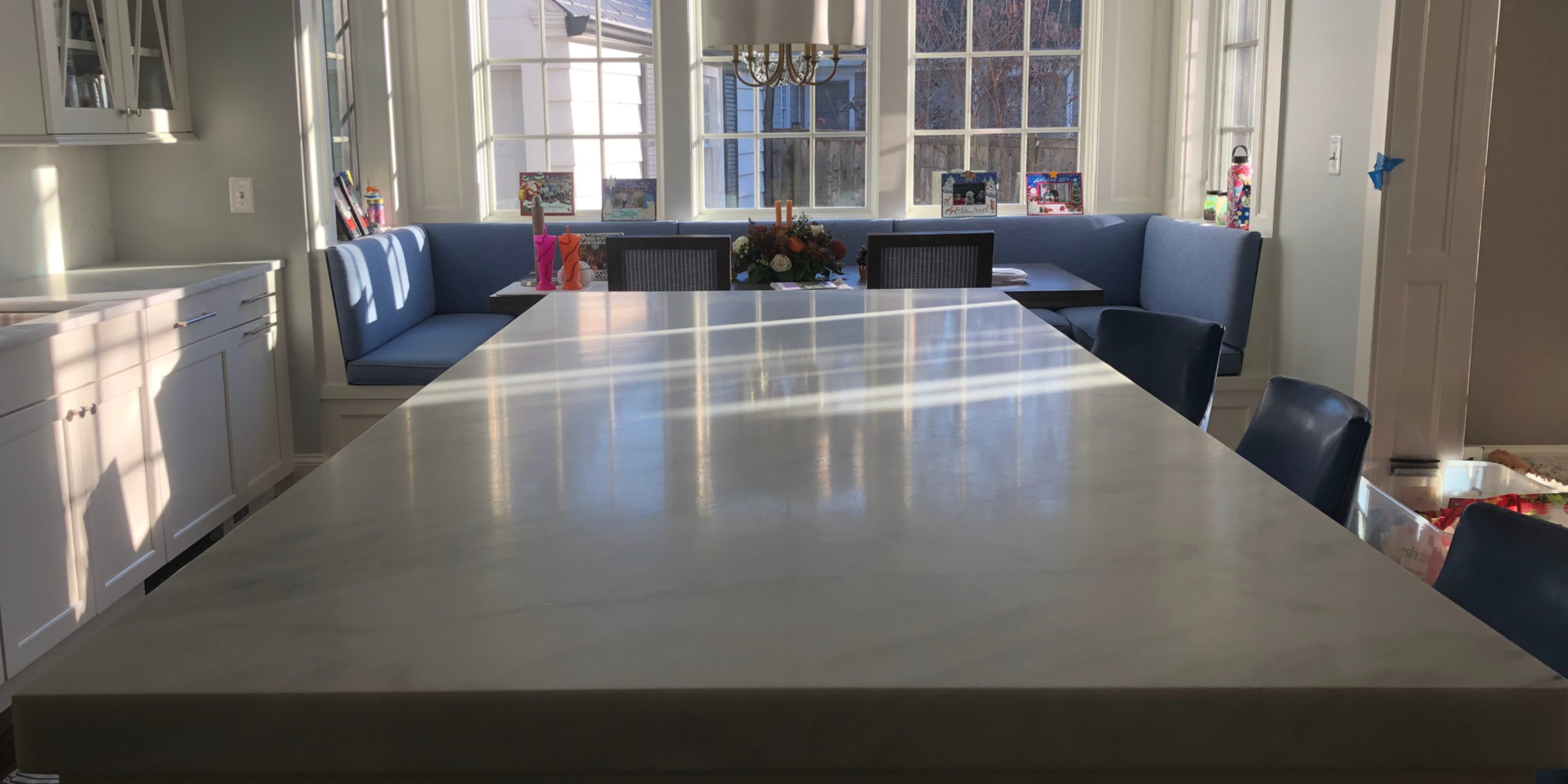
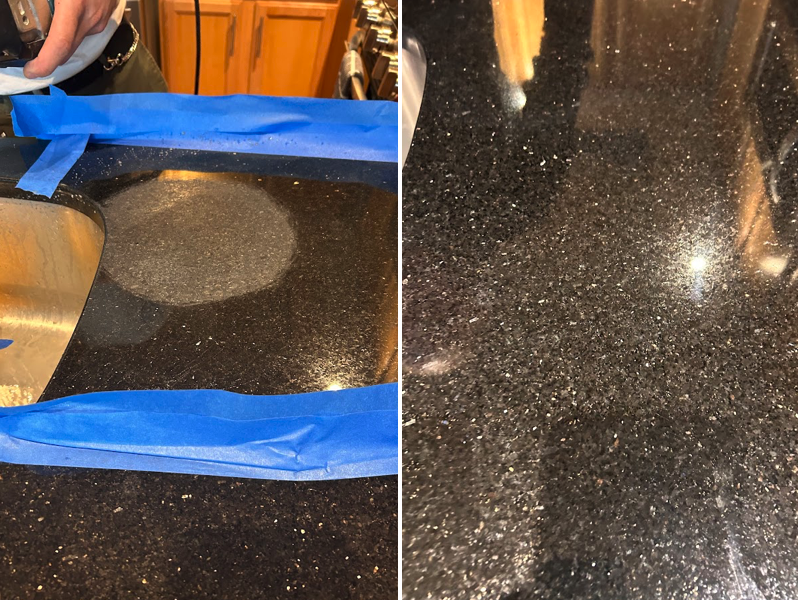
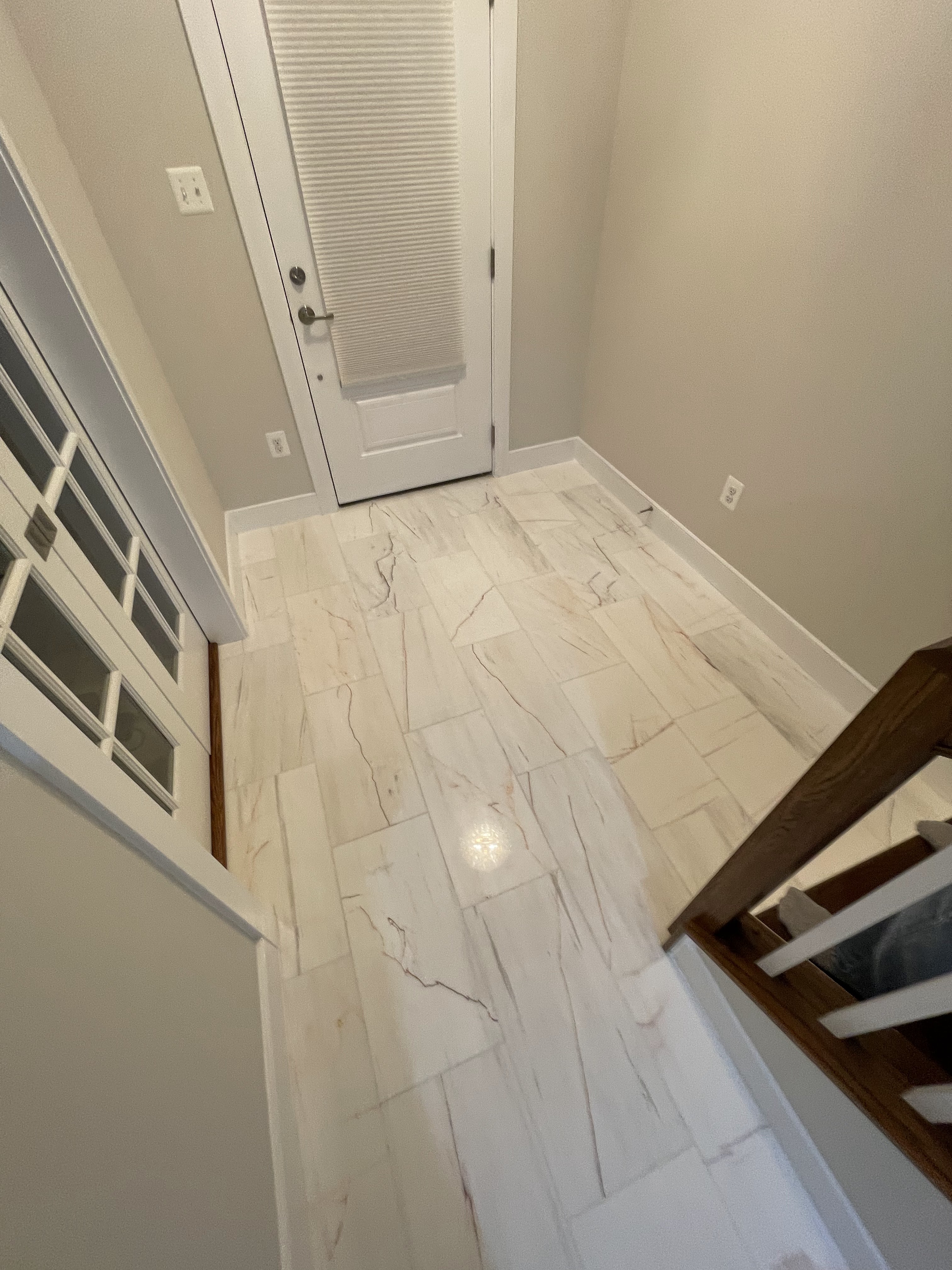
The result of a honing process is a matte or satin finish — smooth, flat, and even, but not reflective. Honed marble has a softer, more casual appearance than polished marble. Some clients actually prefer honed finishes because they're more forgiving of everyday wear — minor etches and scratches are less visible on a honed surface than a polished one.
What polishing is
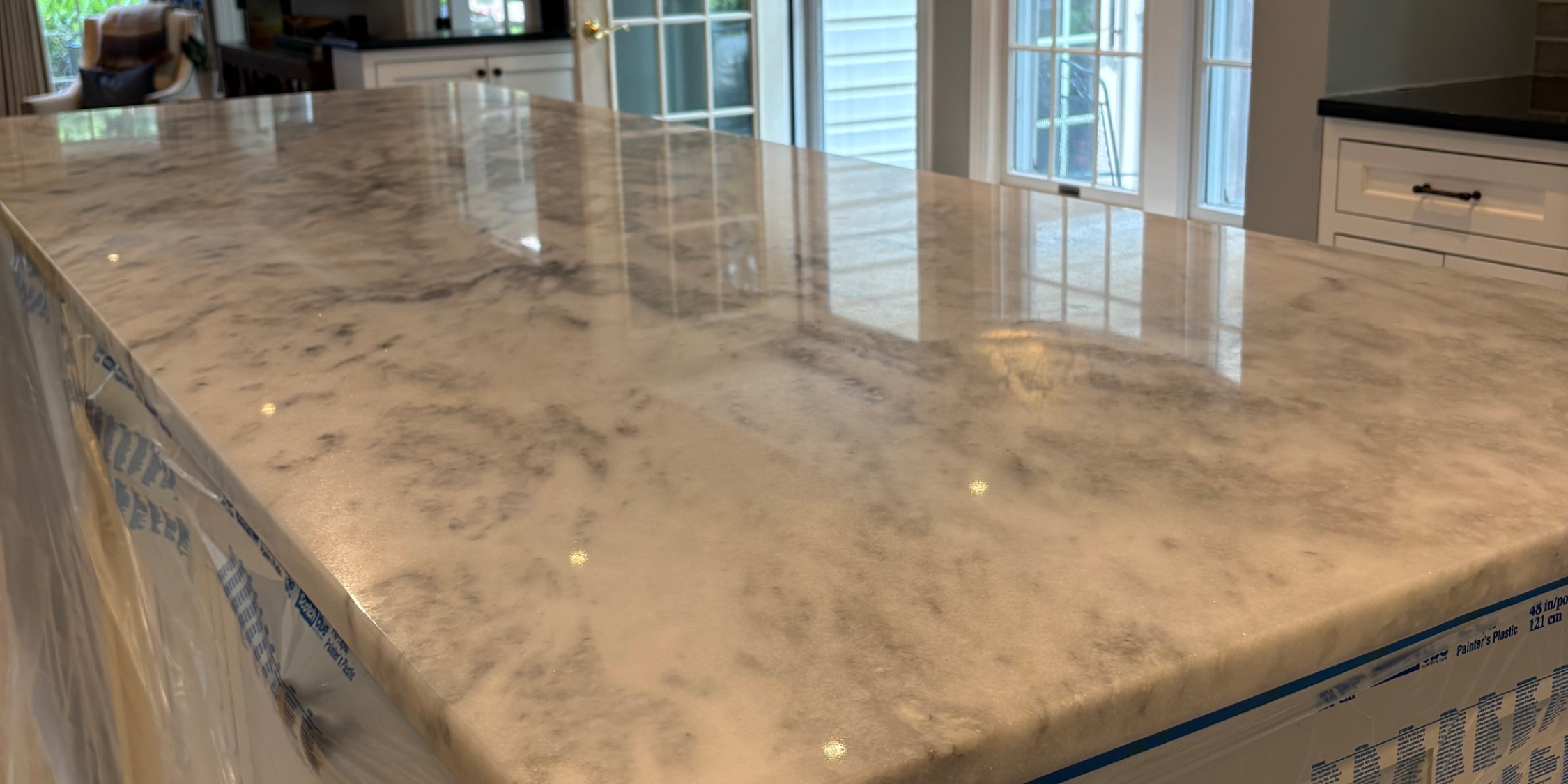
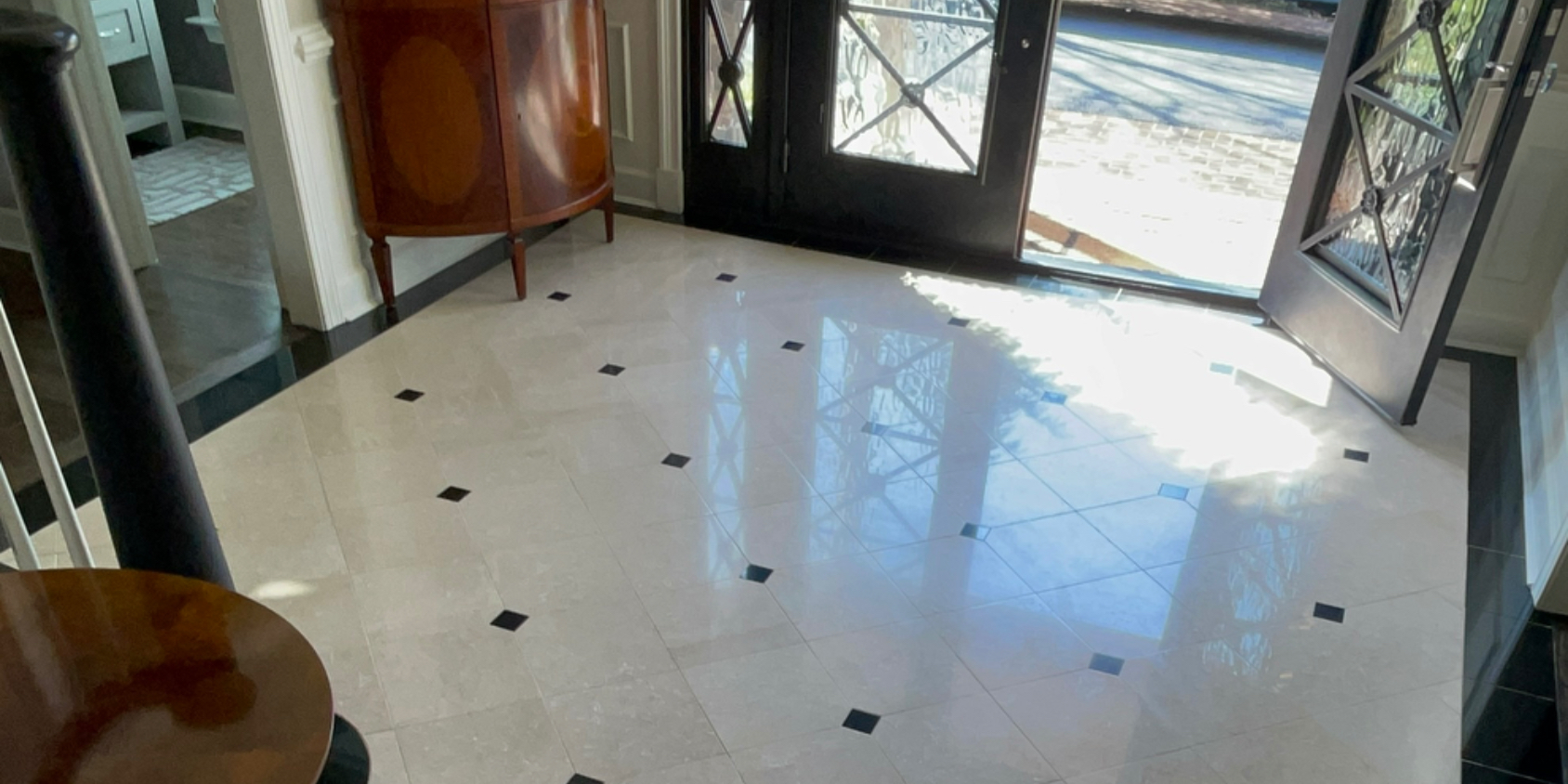
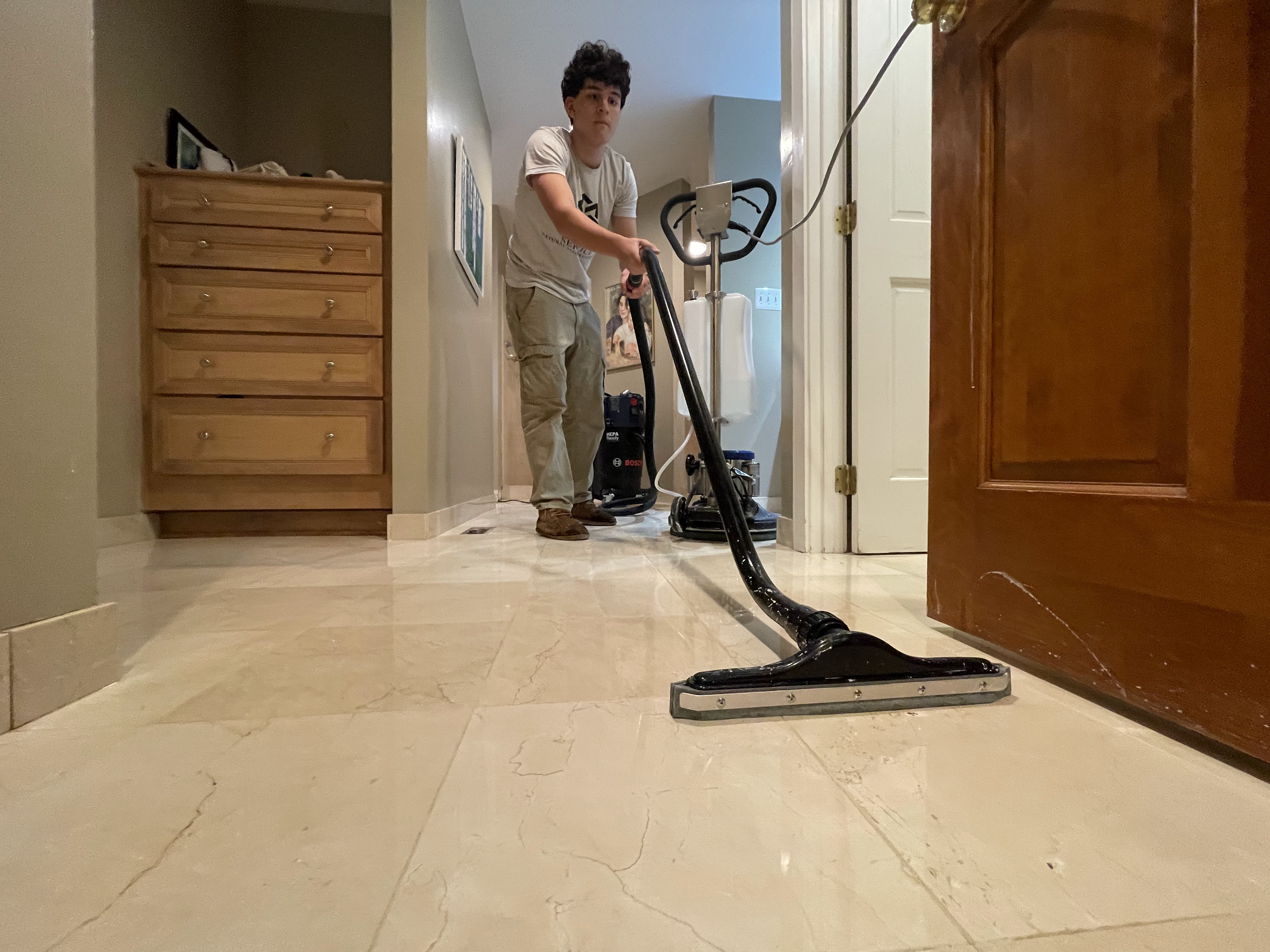
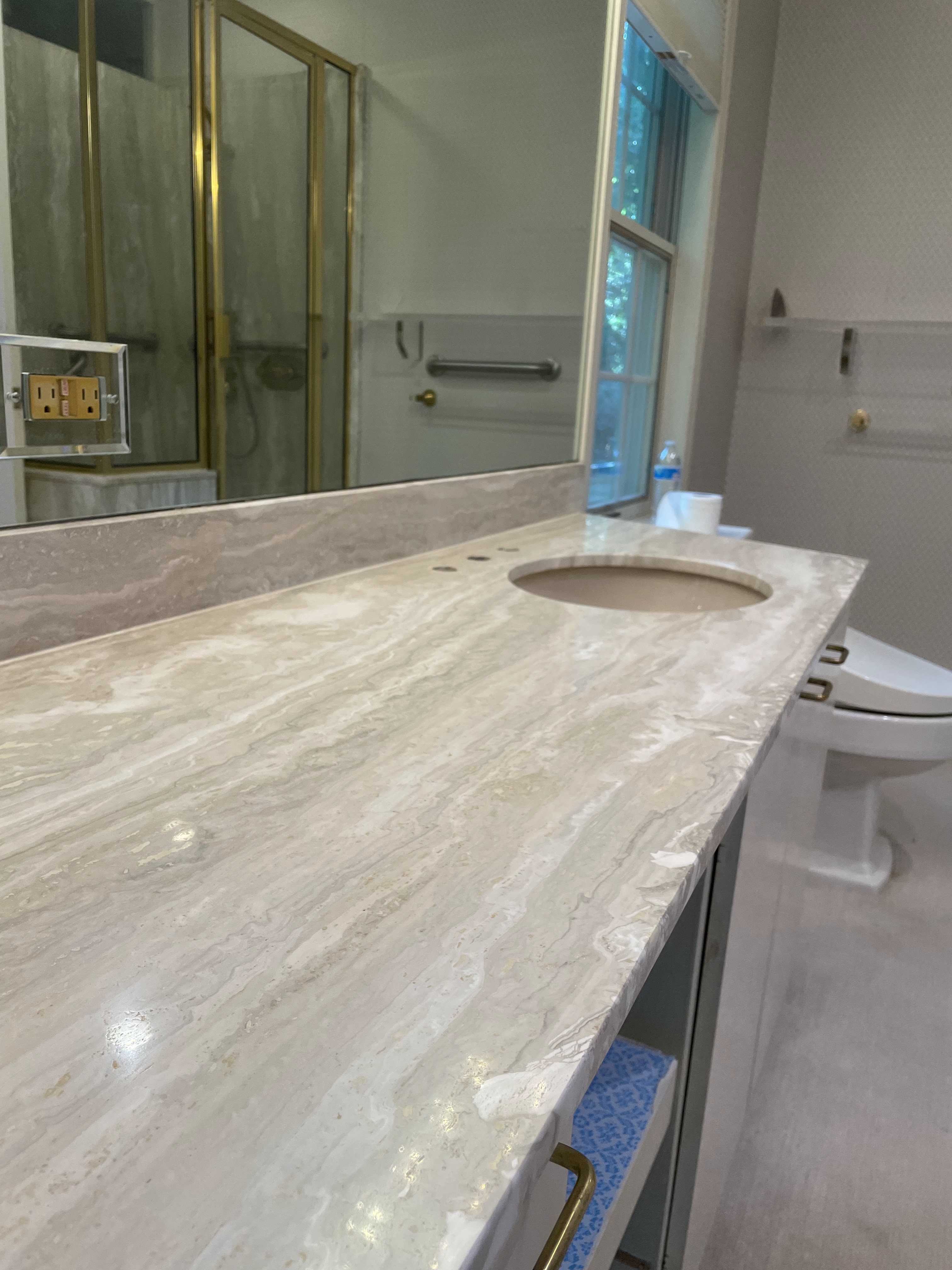
Polishing follows honing. Once the surface has been honed flat and even, we use progressively finer diamond pads — typically 1,500 to 3,000 grit — combined with a polishing compound to build up a reflective shine on the surface. The final stage of high-gloss marble polishing produces a mirror-like finish where you can see a clear reflection.
Polishing doesn't remove damage — it enhances a surface that has already been prepared by honing. If someone offers you a polish without a honing step on a damaged floor, they're skipping the work that actually fixes the problem.
Which one does your floor need?
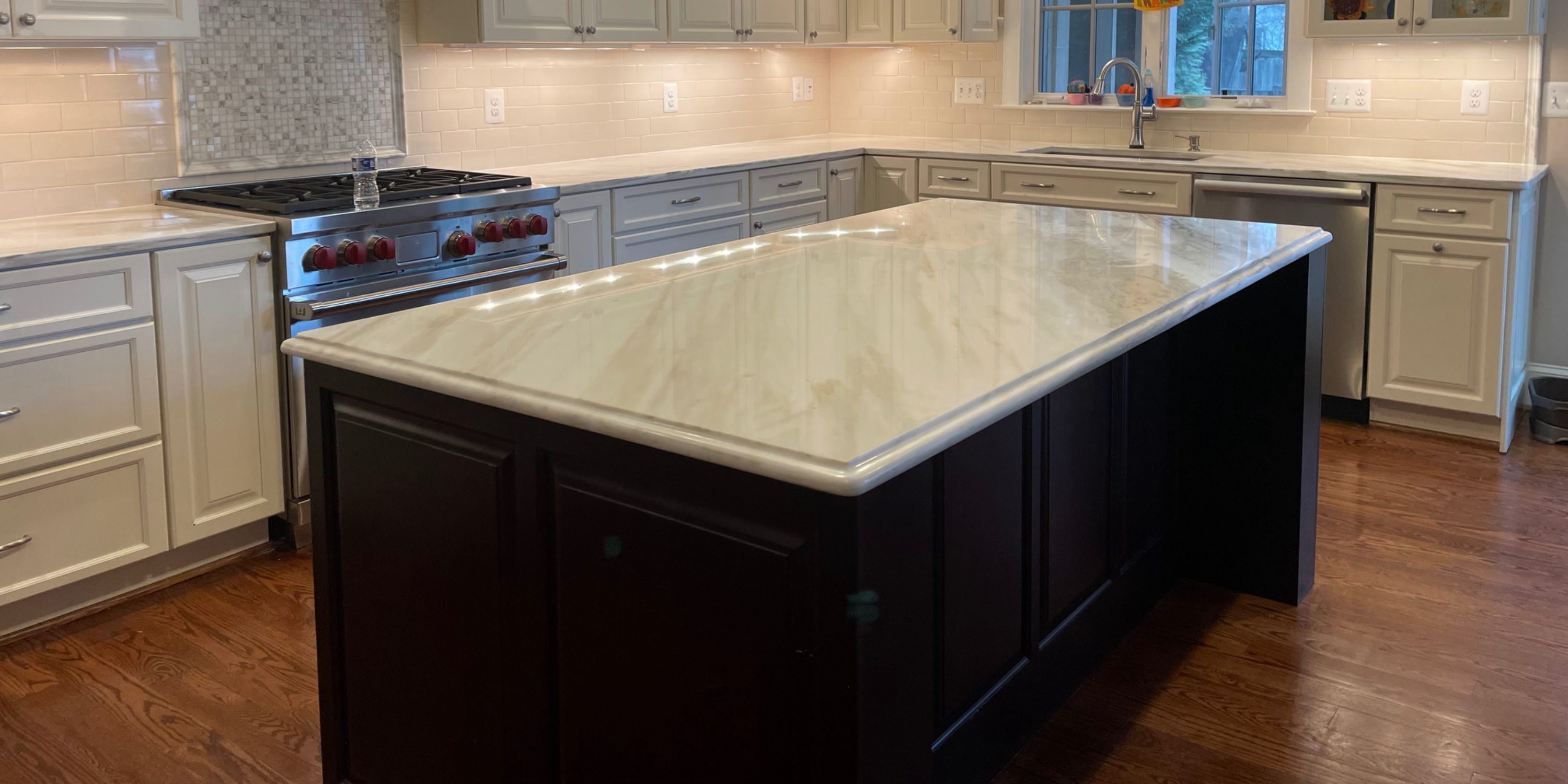
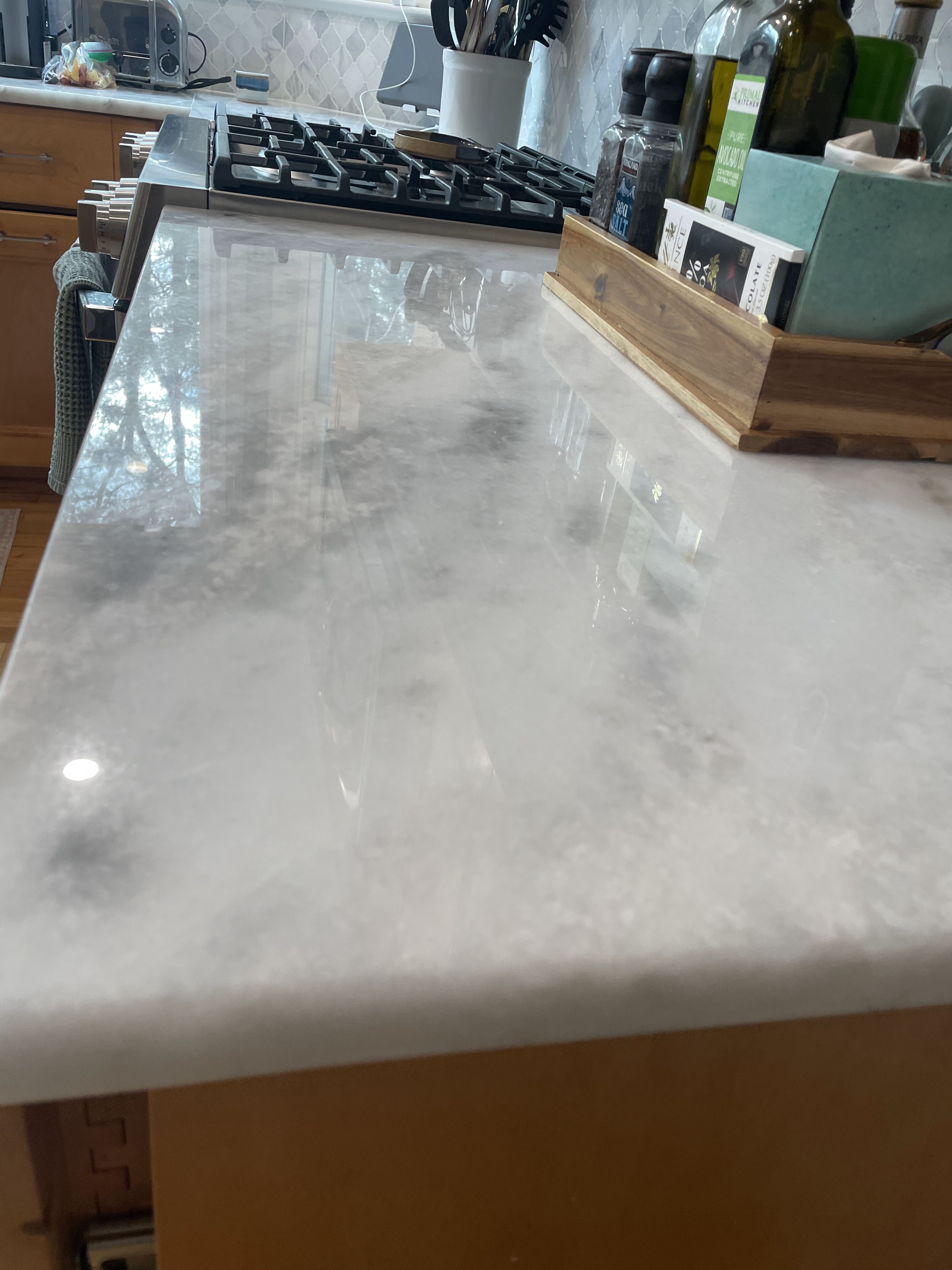
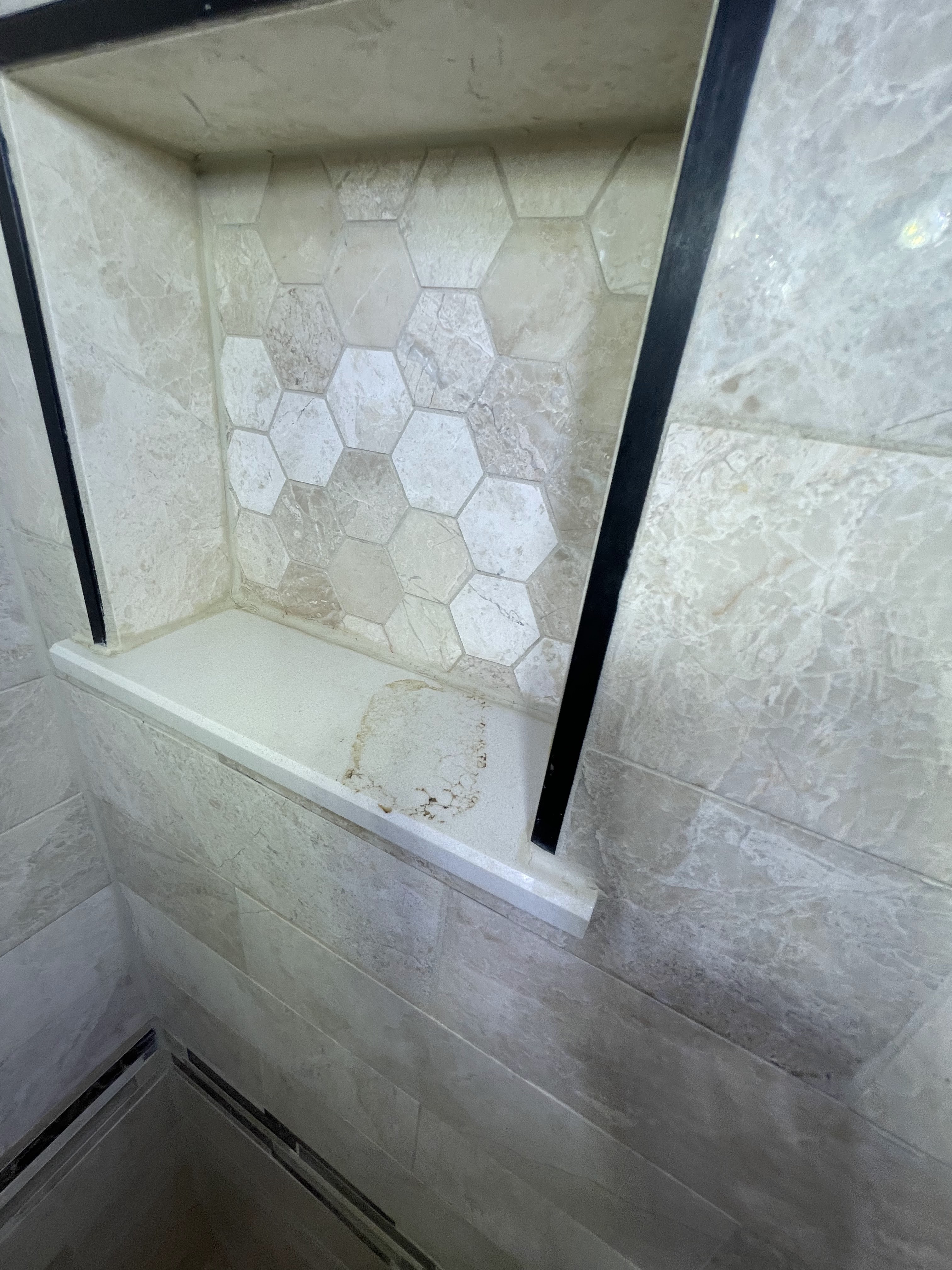
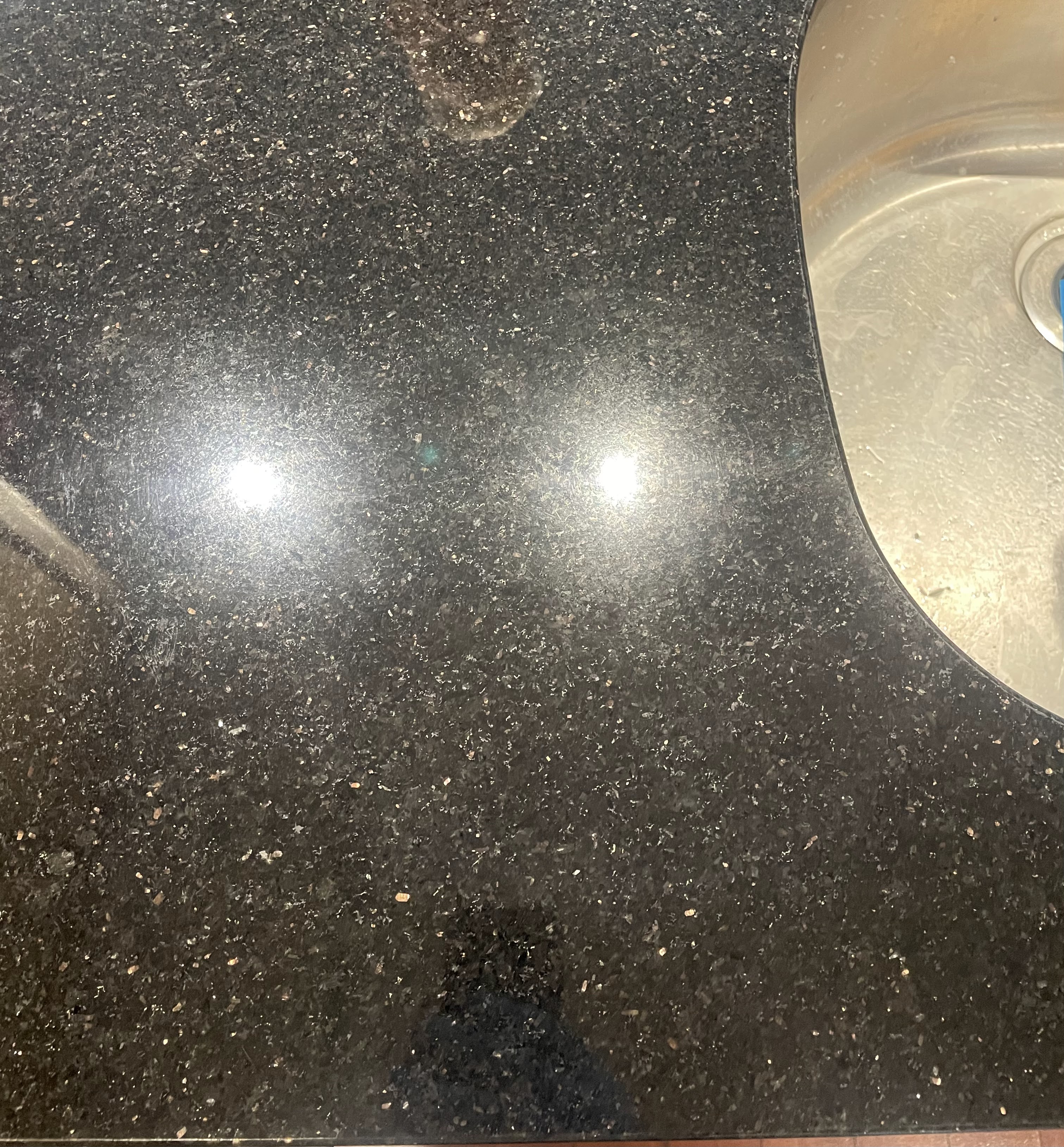
If your marble has etch marks (those dull, hazy spots that appear when acid touches polished marble), visible scratches, or uneven sheen, it needs honing first. The etch marks are physical depressions in the surface — no amount of polishing will remove them, because polishing works by building up the surface, not removing it.
If your floor is relatively undamaged but has lost its shine over time due to foot traffic and cleaning, it may need a light polish and re-seal rather than a full hone. This is a quicker, less intensive process.
If your floor has deep scratches, chip damage, or structural cracks, those need to be addressed before honing or polishing begins. We repair cracks and chips using custom color-matched epoxy compounds before starting the abrasive process.
The honest assessment
When we visit your property for a free estimate, we'll shine a raking light across the floor to reveal the true surface condition — scratches, etch patterns, and worn areas that aren't obvious under normal lighting. We'll tell you exactly what the floor needs and why, and we'll show you what the finished result will look like using a test area before we commit to the full job.
Reach us at 202-413-7979. We cover all of DC, Maryland, and Northern Virginia.
Comments